
“The truth does not change according to our ability to stomach it.”
Flannery O’Connor, The Habit of Being
TRADITION - WORSHIP - EDUCATION
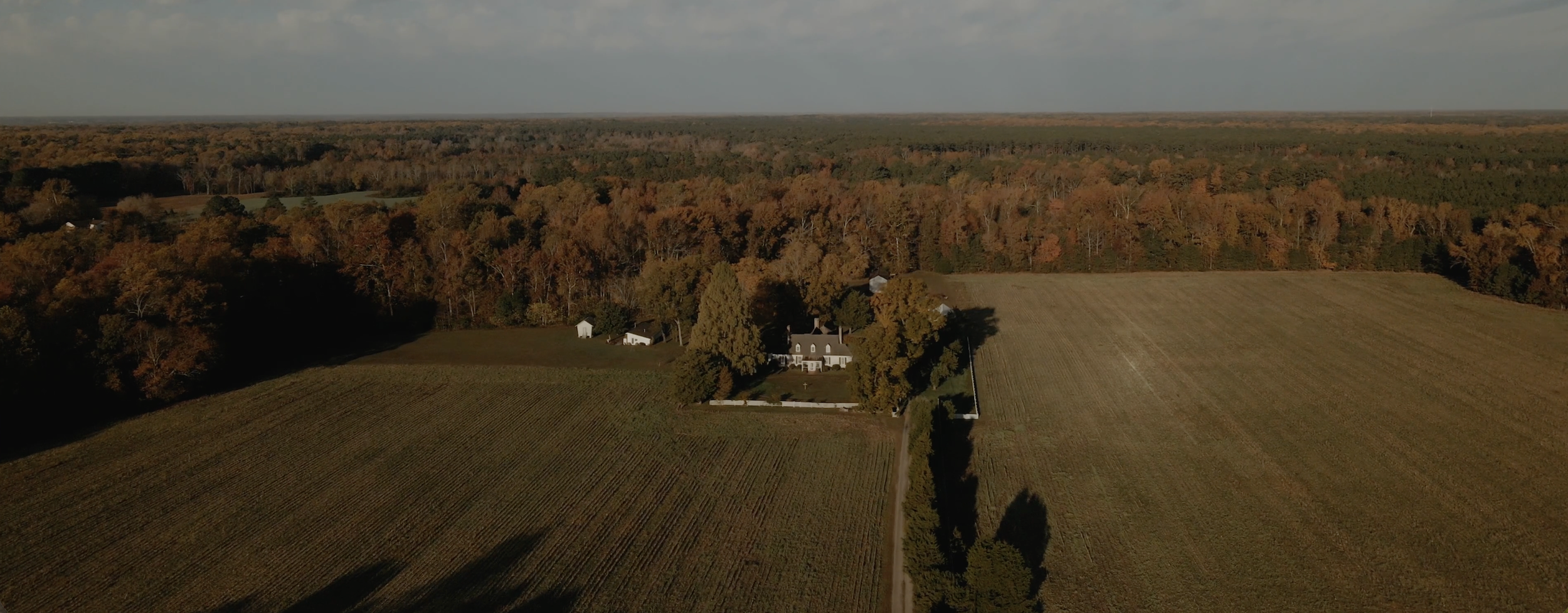
The Glebe School is a Classical Christian School located in Gloucester, Virginia.
Now serving elementary students from first grade through fifth grade, the school intends to annually expand through high school until it is a full kindergarten to 12th grade school.
Questions about
The Glebe School?
-
In the 1600s, our Glebe land was tithed by the King of England to the Anglican churches of the Middle Peninsula. In those days, a Glebehouse would be built on the land as a parsonage for the priest serving multiple parishes (churches.) The land was then farmed to pay his salary. Our Glebehouse was built sometime c. 1724 and the priest who lived in it served the colonial churches of Abingdon, Ware, Christchurch, and Petsworth. Today, the Rector of St. James Anglican Church lives in the Glebehouse and the fields of the Glebe are being sustainably farmed by a local farmer, making it the last functional Glebe in America! It is a piece of living history with national interest and significance.
To learn more: -
The Glebe School meets Tuesday-Friday from 9:00am to 3:30pm.
Monday is an at “at-home” school day with a packet of schoolwork sent home by the Headmaster.
Students may begin to arrive at 8:30am, with all students at their desks by 8:50am. At 9:00am, we will head to the chapel for Morning Prayer. After dismissal at 3:30pm, students, siblings, & parents are welcome to join the Headmaster for Evening Prayer at 4:00pm.
-
No.
The Glebe School believes that the growing minds of young students are barraged and domineered in modern culture by the use of screens. Throughout most of history, the brains of children have been allowed to develop and grow strong through traditional “long form” educational tools: cursive handwriting, the chapter book, memorization of Scripture, and manual long division. Balanced with lots of recess, fresh air, and moving of their bodies… there isn’t much time left for screens.
-
At The Glebe School, we believe that the purpose of a uniform is not only in the clothing itself, but also in the pride, dignity, and grace with which you learn to wear it.
Our male students wear an oxford shirt with slacks. Our female students wear an oxford shirt with a plaid pinafore. A full version of the dress code along with the links to purchase the uniform is found in the student handbook and the parent portal.
-
For The Glebe School, the Common Arts represent the heritage skills children need to lead fulfilling and good lives: changing tires, sewing buttons, making budgets, building fences, cooking and preserving food.
To dive deep into the philosophy of the common arts and their place in education, check out this book by author (and friend of the Glebe) Chris Hall.
-
Our goal is to provide an excellent education in every area of study. Education is the process of asking excellent questions. For example, a classical education can ask a student to consider every aspect of an apple: its history, its place in literature, as well-as the curve of its surface, its transformation from seed to tree to blossom to fruit, the way it falls from the tree, the compounds within it that nourish the human body, and how a man named Isaac Newton is associated with this fruit... These last questions are the questions of Mathematics and the Sciences and these are approached joyfully and with rigor at The Glebe School.
There is a tendency in American Education to split academic subjects into "Humanities" and STEM. To those outside the classical world, "classical education" sounds dominated by the Humanities and a little light on academic rigor and STEM.
If an excellent classical education is concerned with the history of Western thought, while at the same time teaching students how to think, there is no room to exclude anything as central as the concepts studied in Mathematics and the Sciences. Classical literature is often assumed to be merely a list of English majors' favorites. But works like Euclid's Elements and Newton's Principia are also classic literature! Mathematics, the Sciences, their history and practice, are integral to the study of Western tradition and will be treated as such in the lives of our students.
-
What a great question! Glad you asked.
Get your feet wet with these articles written by friends of the Glebe:
“Why we need Frog and Toad more than ever” by Joshua Gibbs
“Common Arts that Matter” by Fr. Mark Perkins (Bonus points for mentioning the Glebe in this article!)
“The Lost Tools of Learning” by Dorothy Sayers
Dive into these wonderful books, found wherever books are sold:
The Liberal Arts Tradition: A Philosophy of Christian Classical Educationby Kevin Clark and Ravi Scott Jain
The Scholé Way: Bringing Restful Teaching and Learning Back to School and Homeschoolby Christopher Perrin
Norms and Nobility: A Treatise on Education by David V. Hicks (out of print currently but can be found used)
And a final beloved poem by Wendell Berry, which is on the hearts and minds of The Glebe School board at this time.
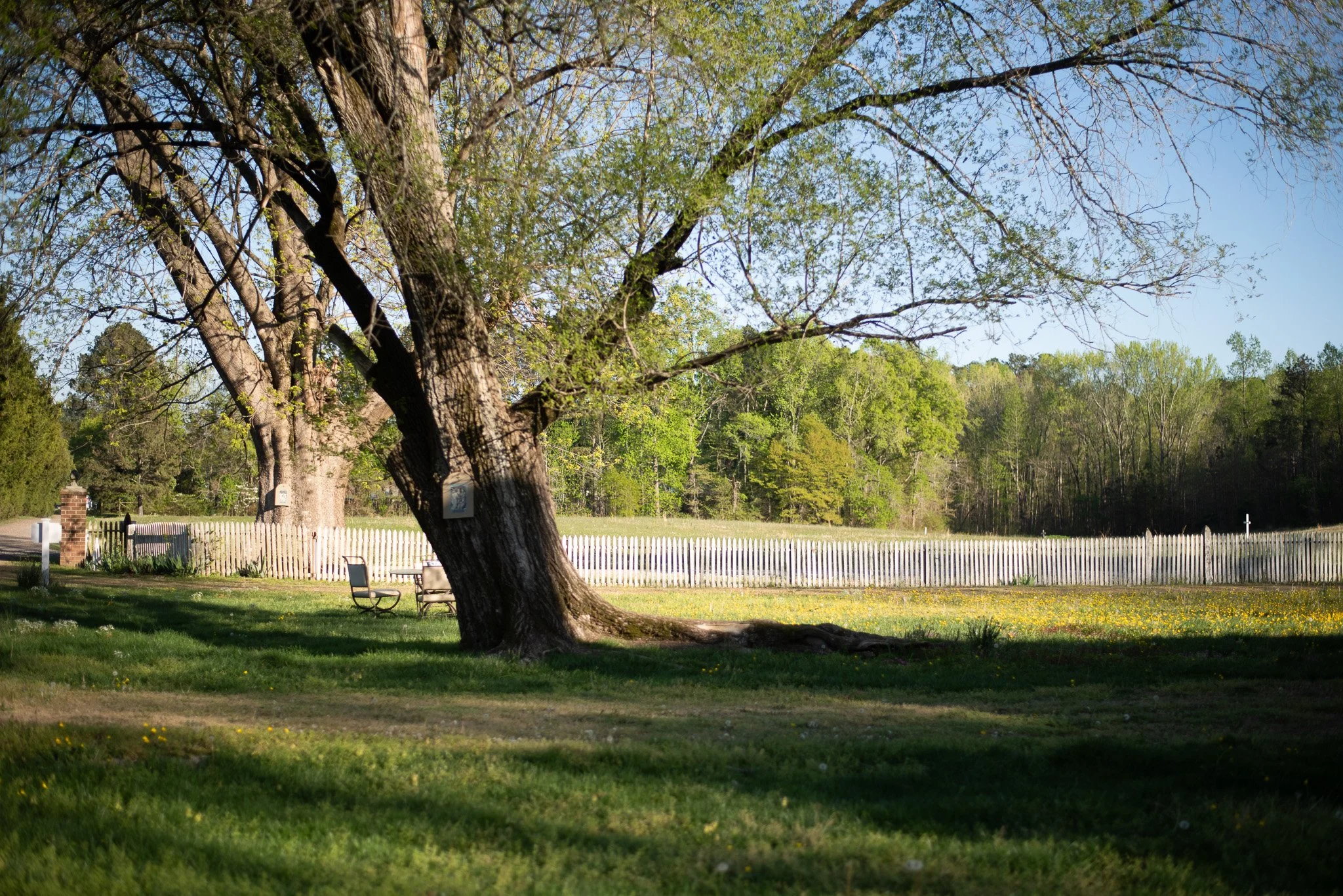
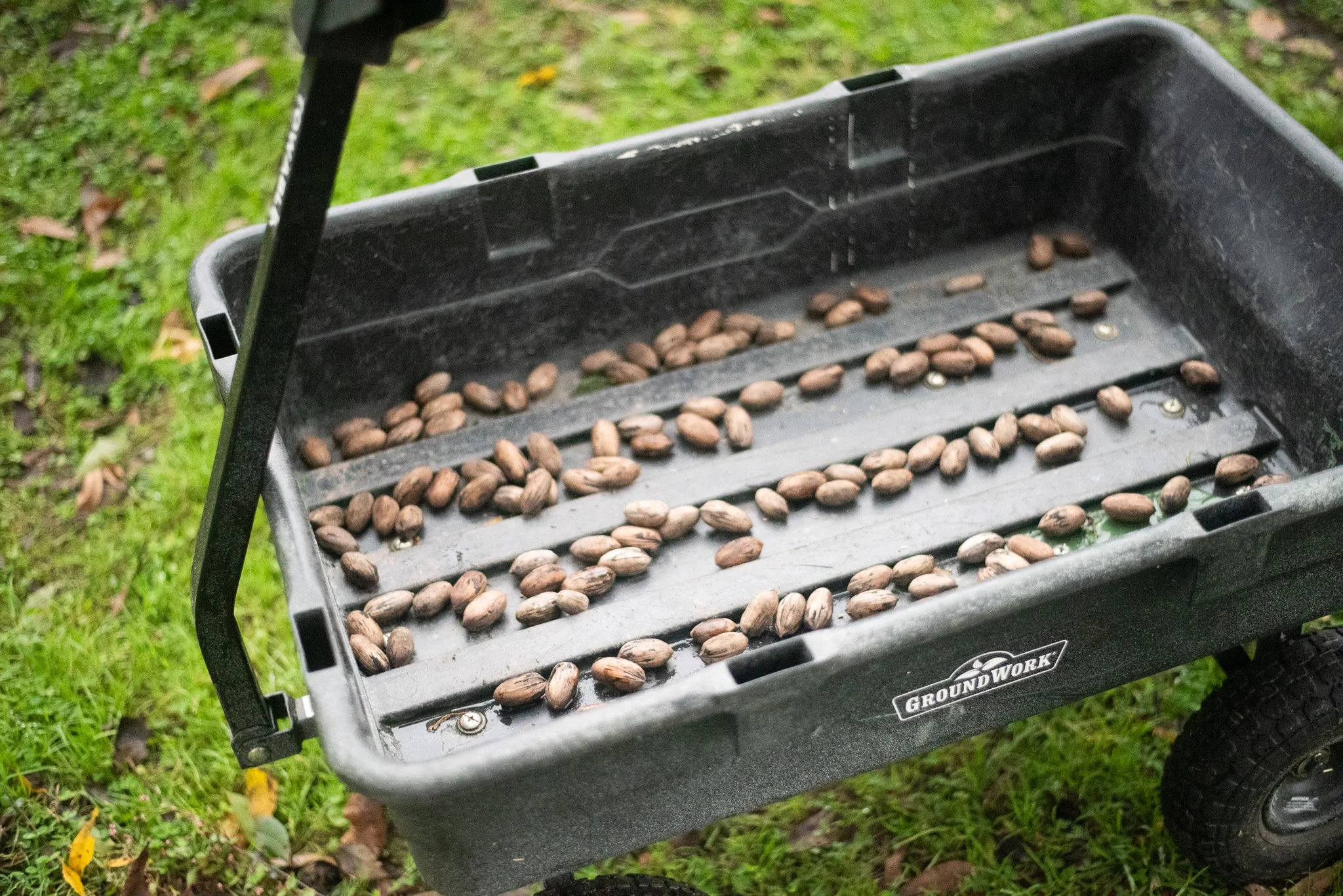
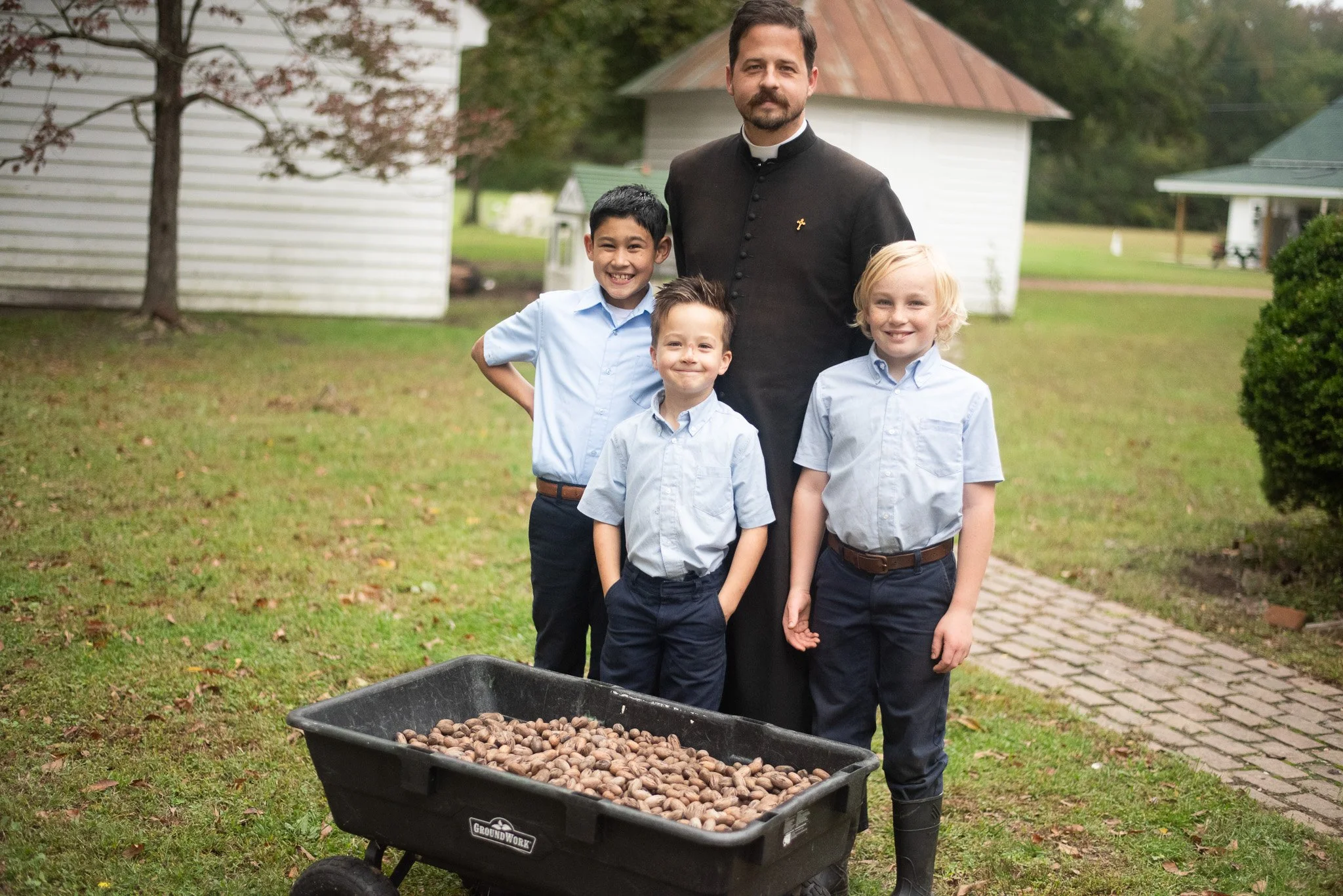
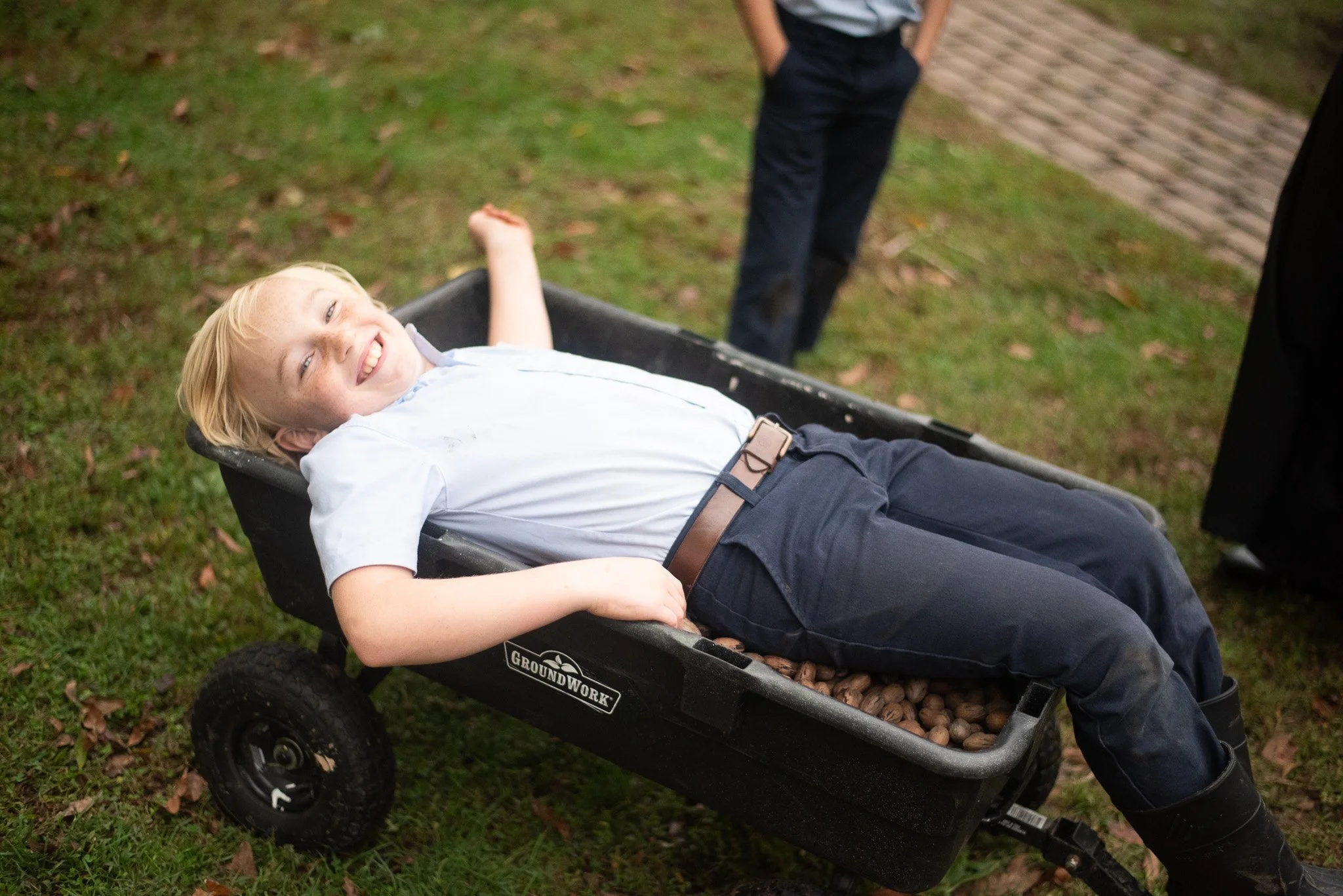
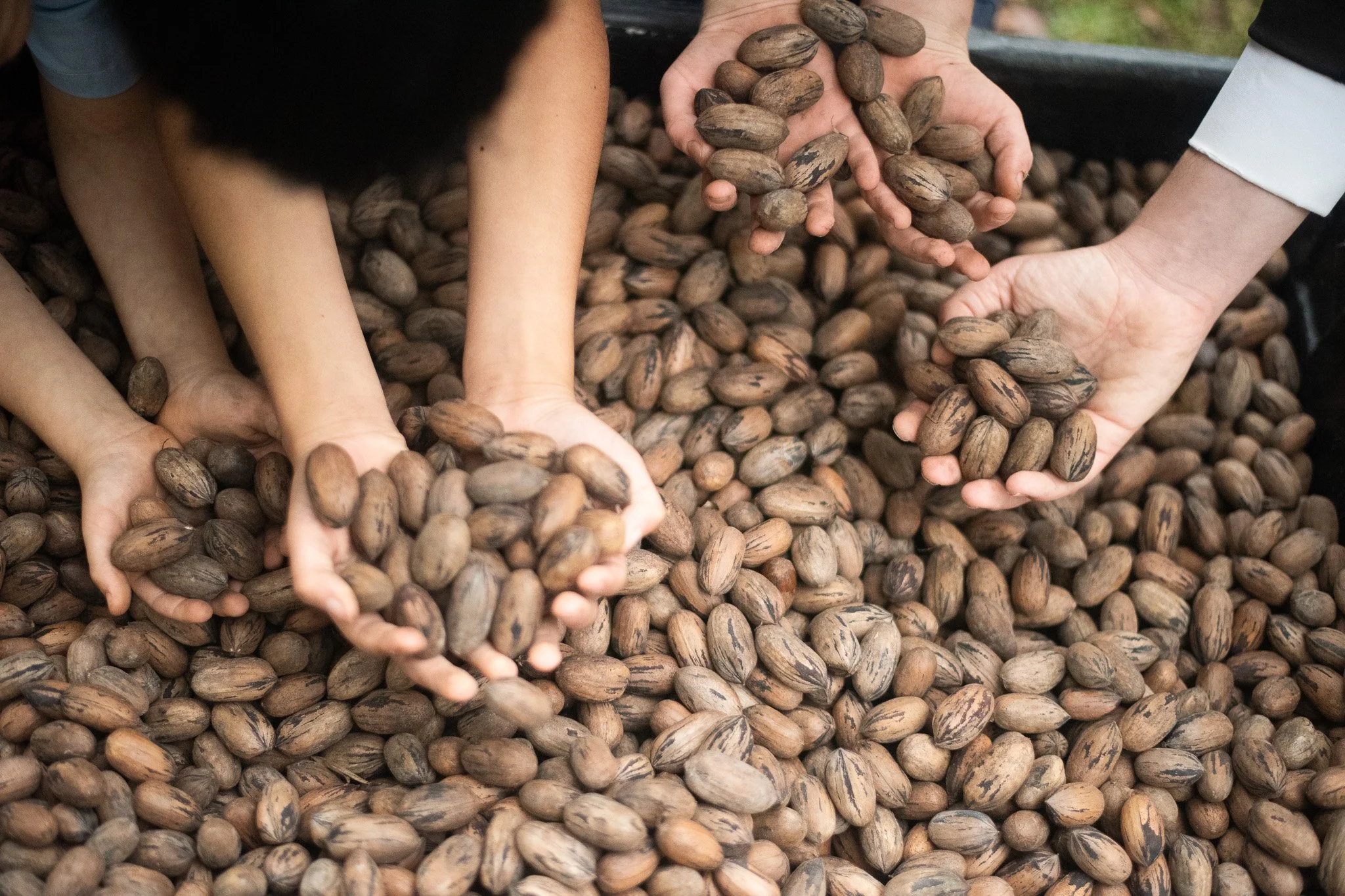
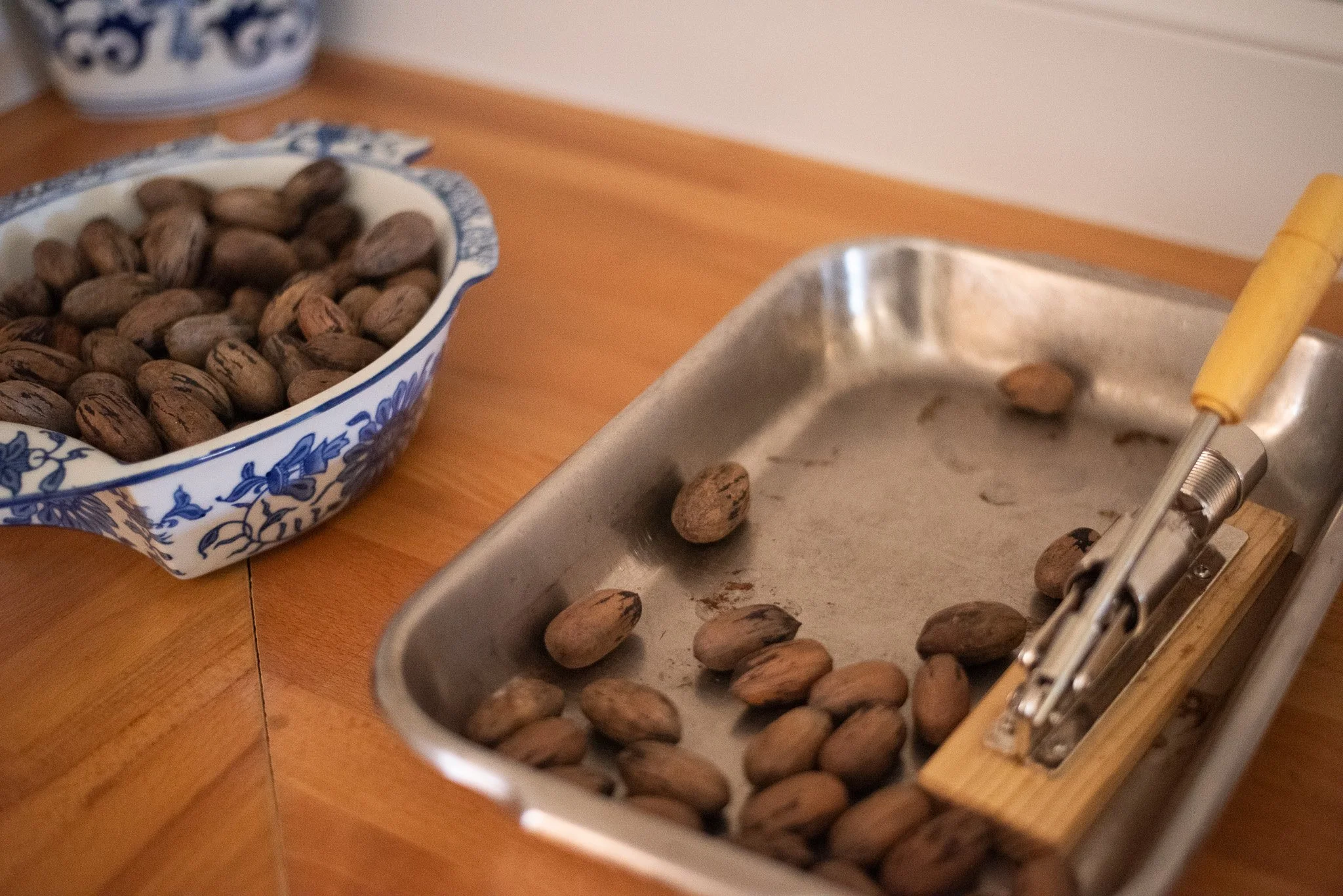
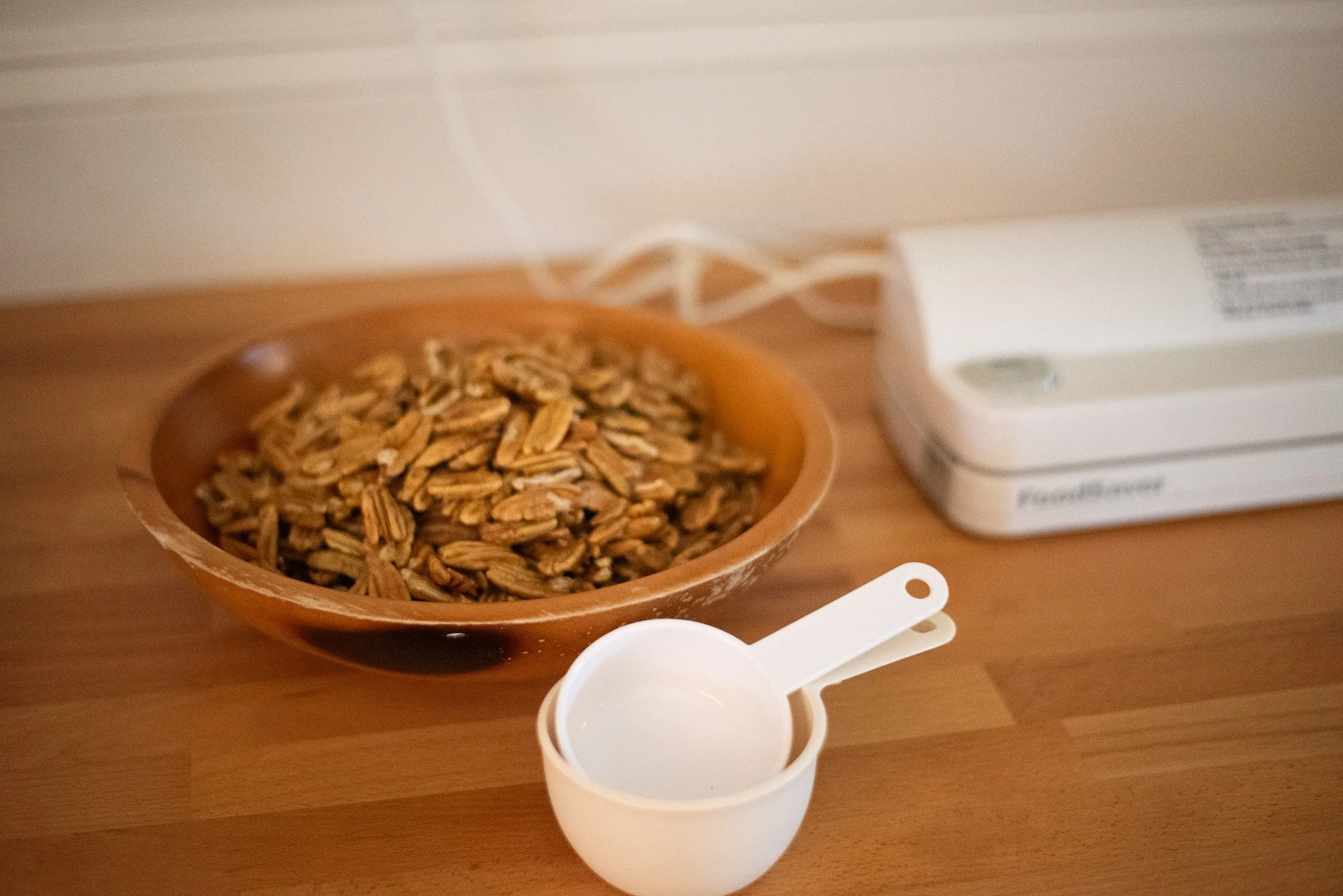
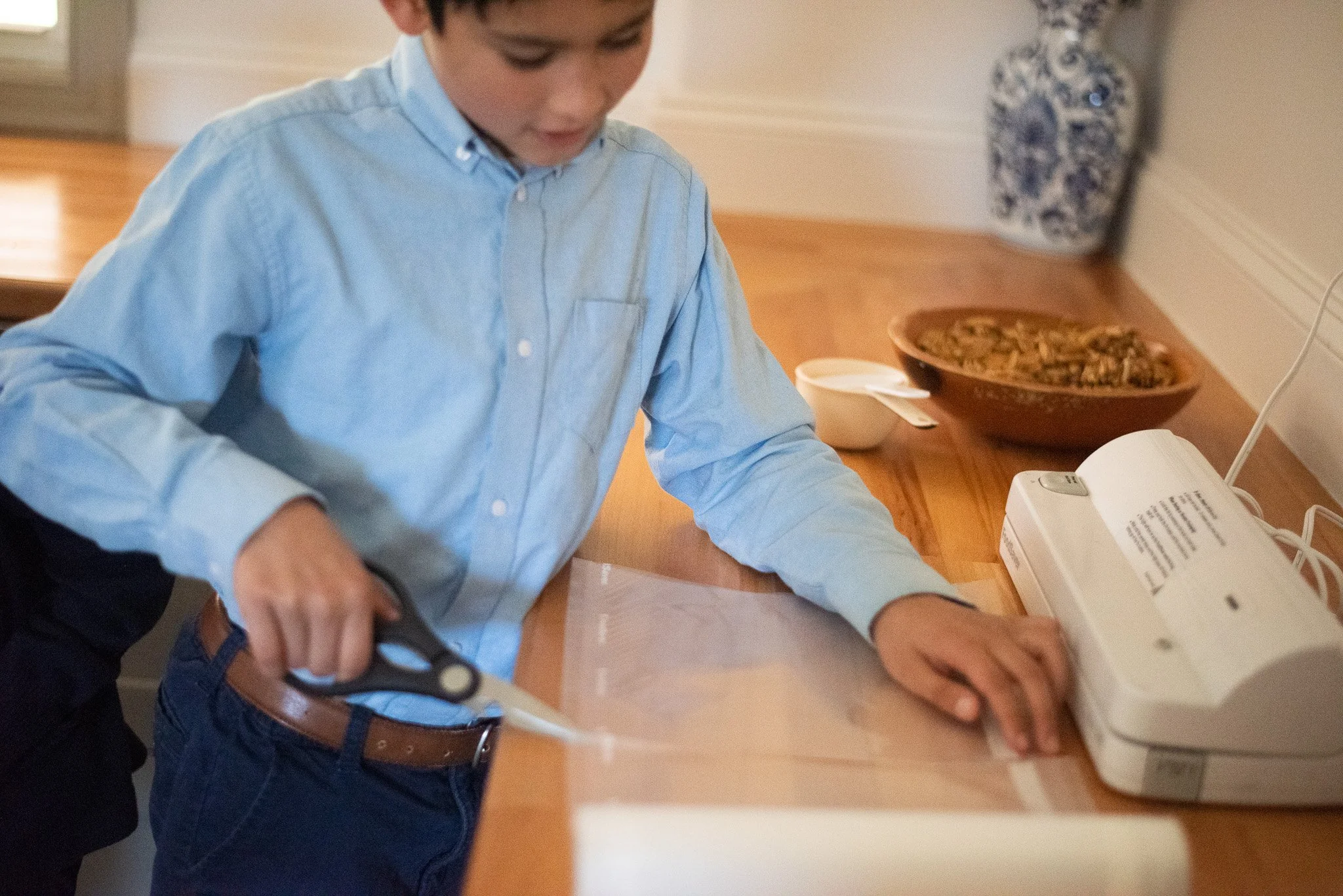
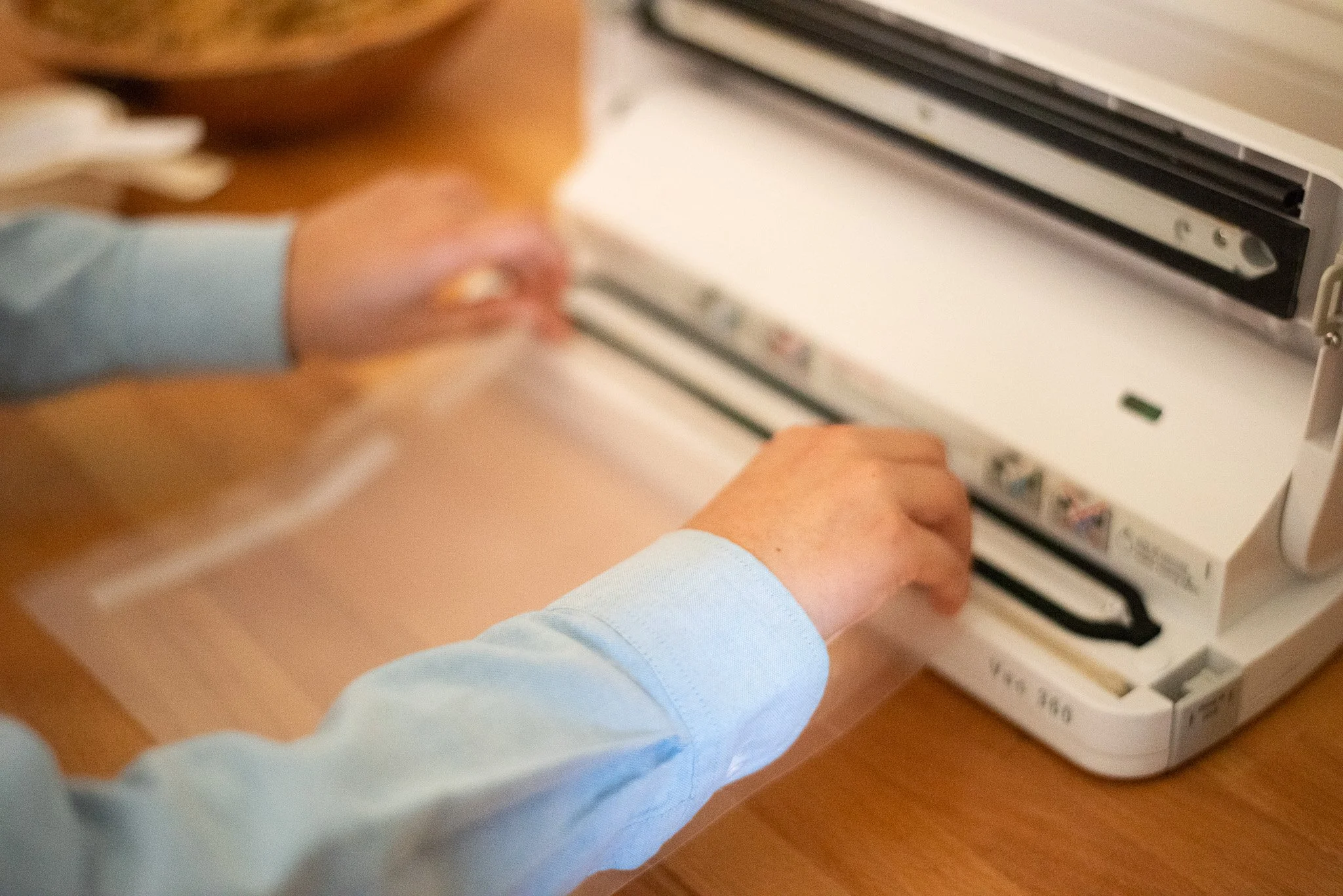
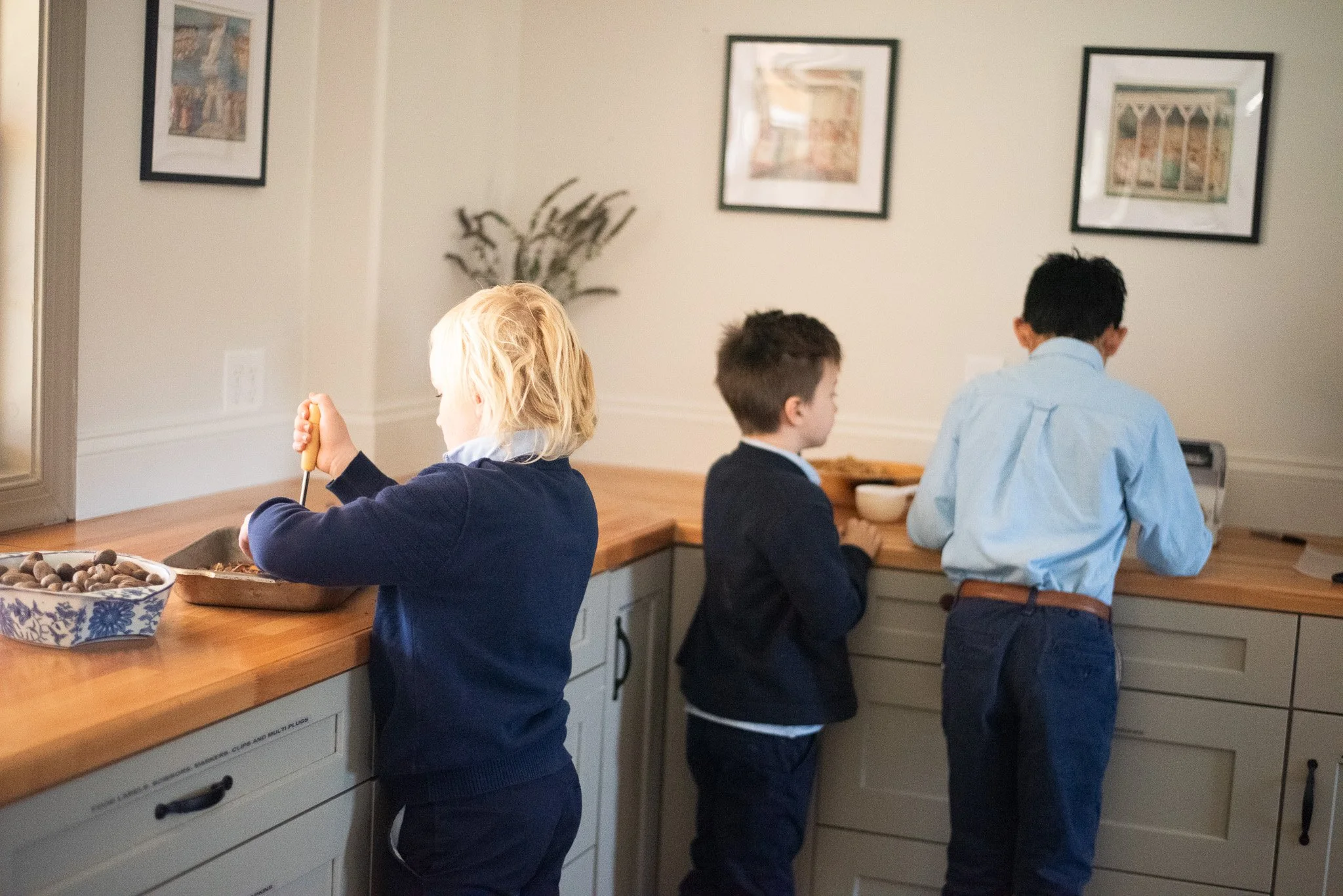
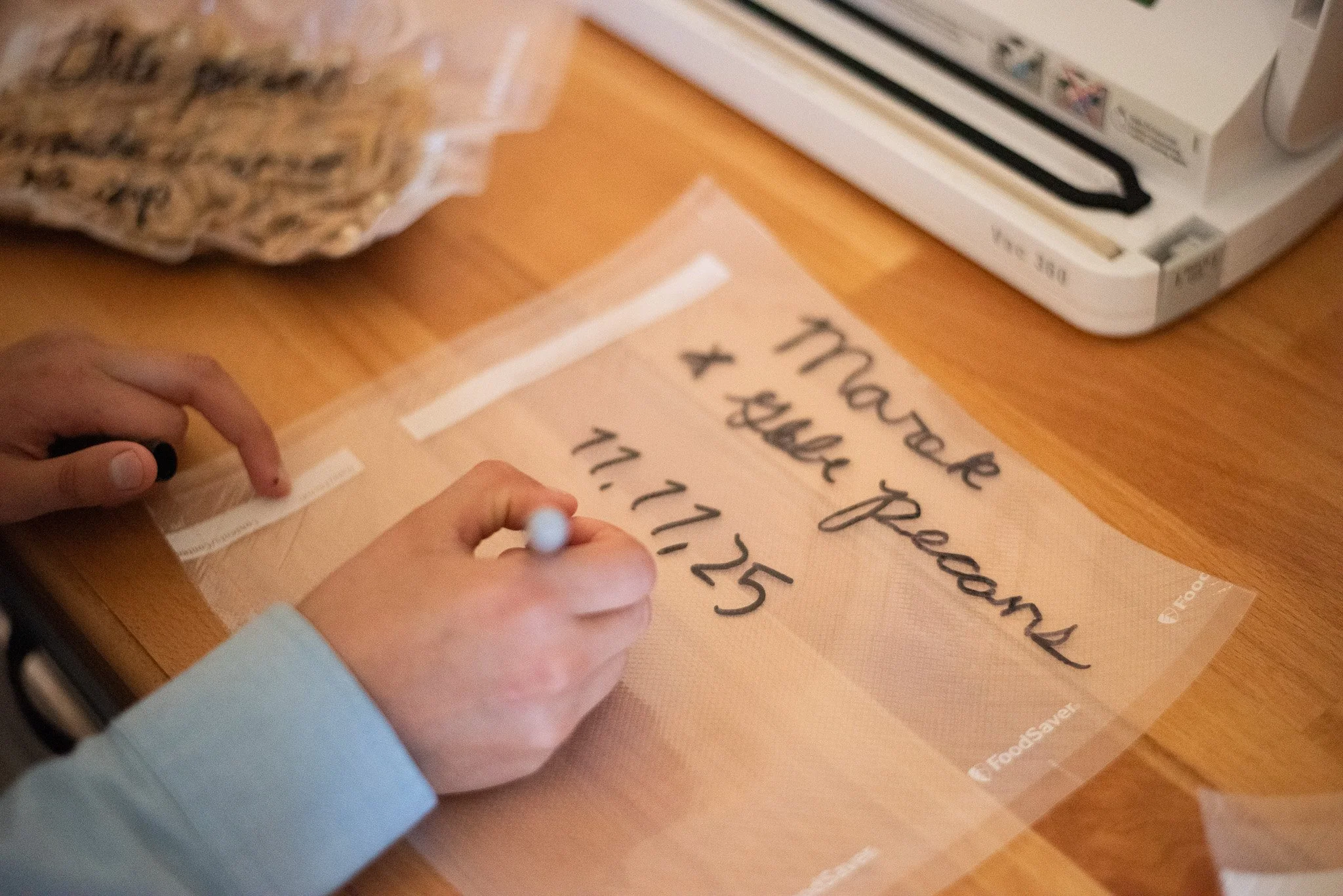
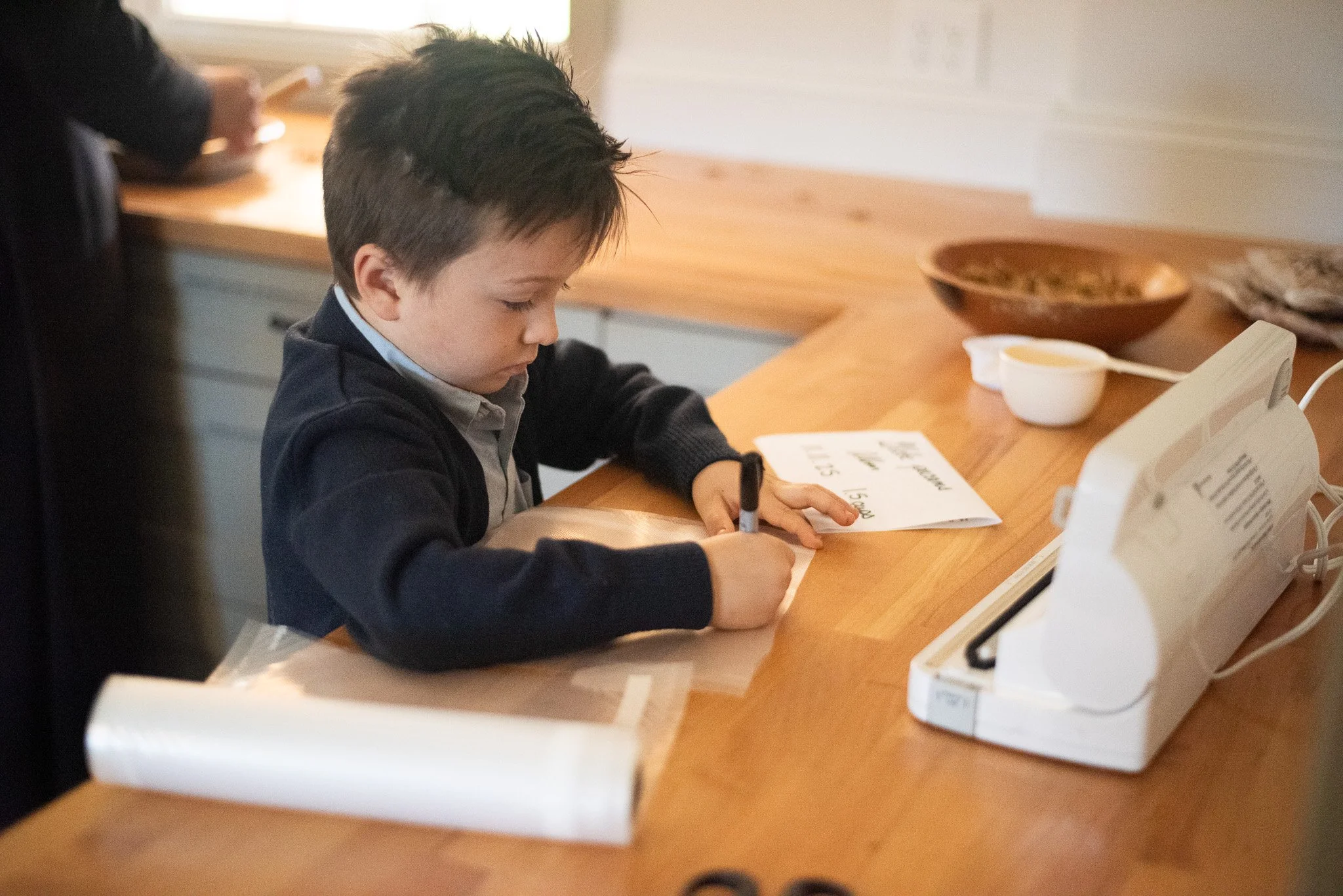
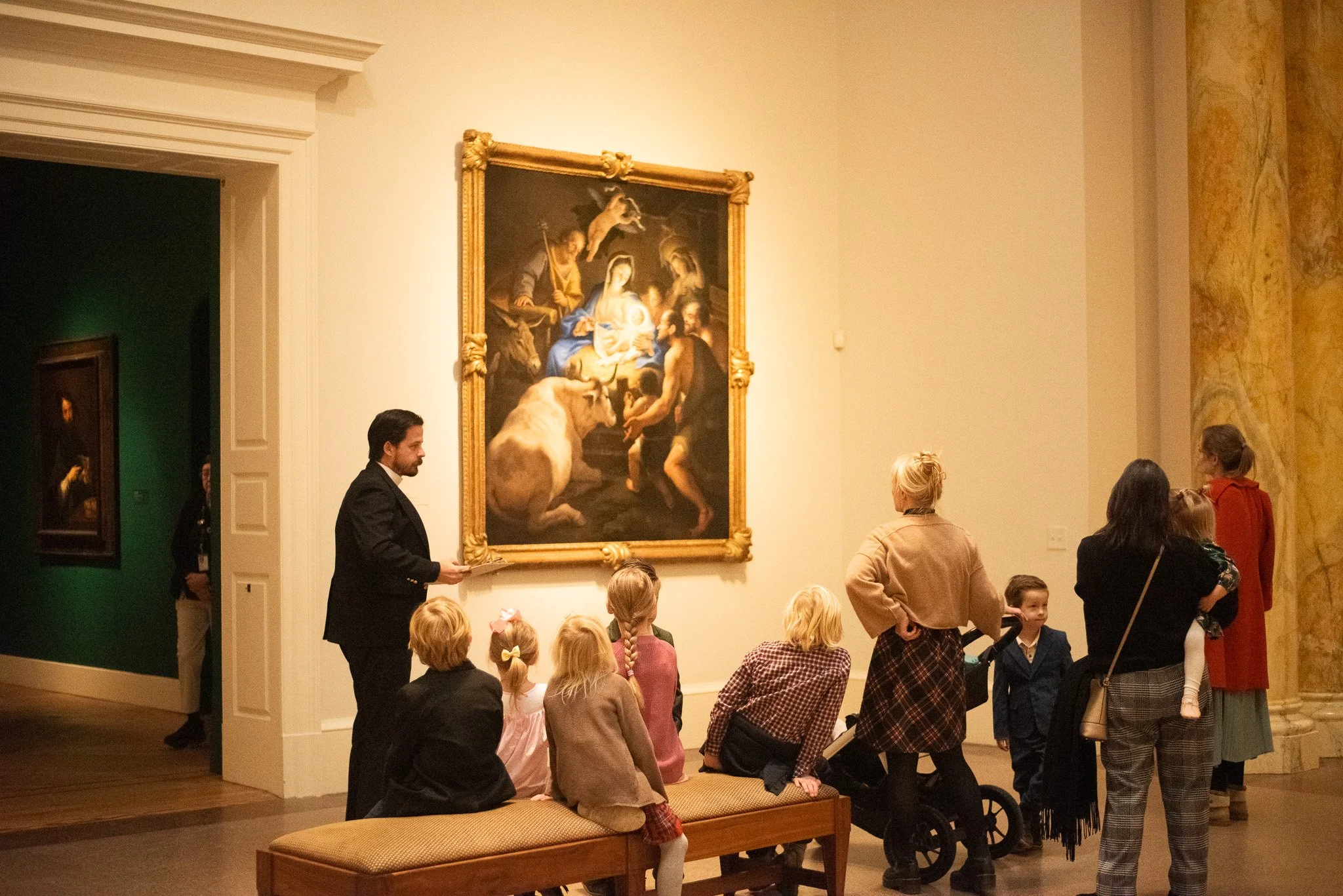
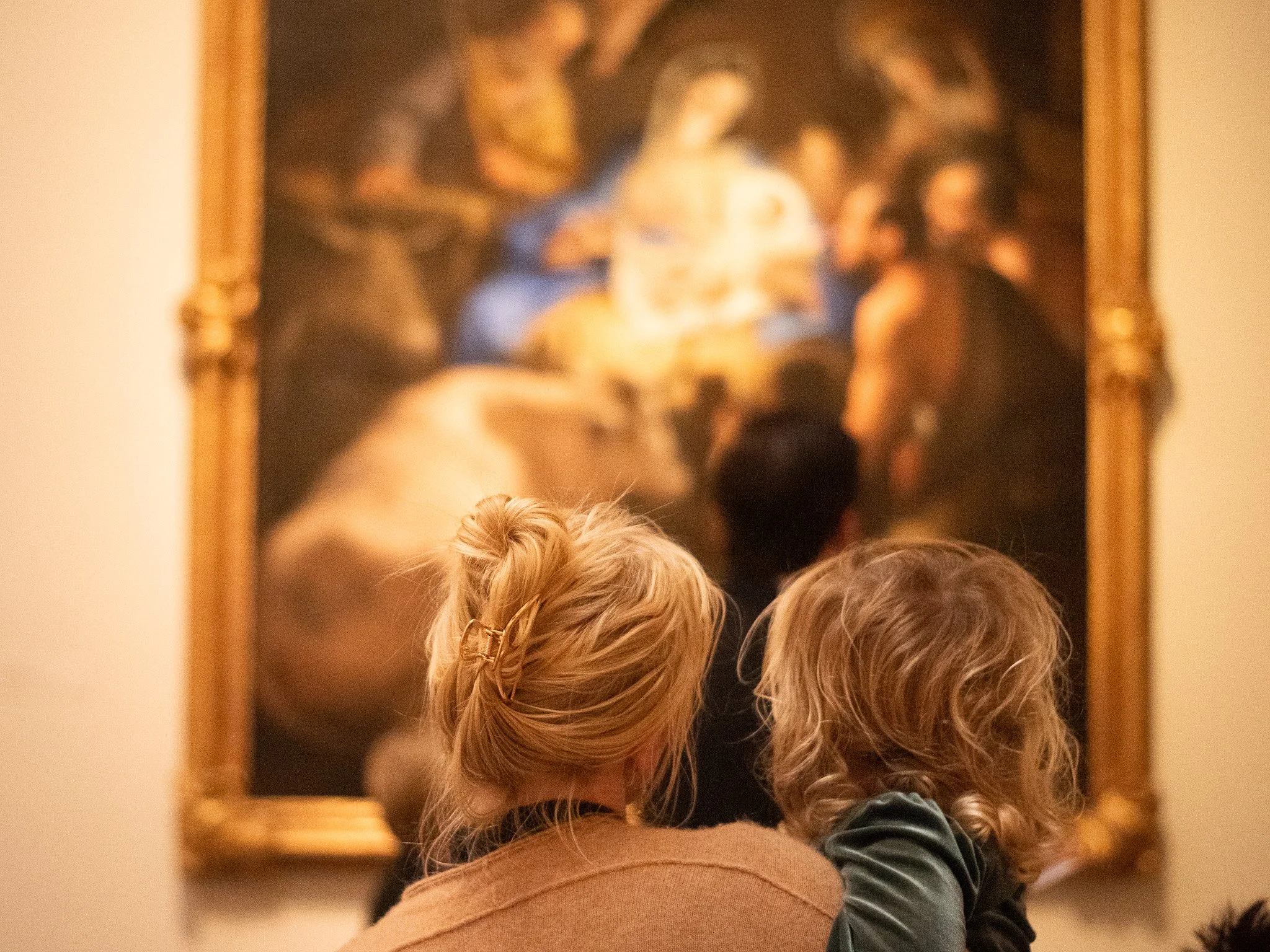
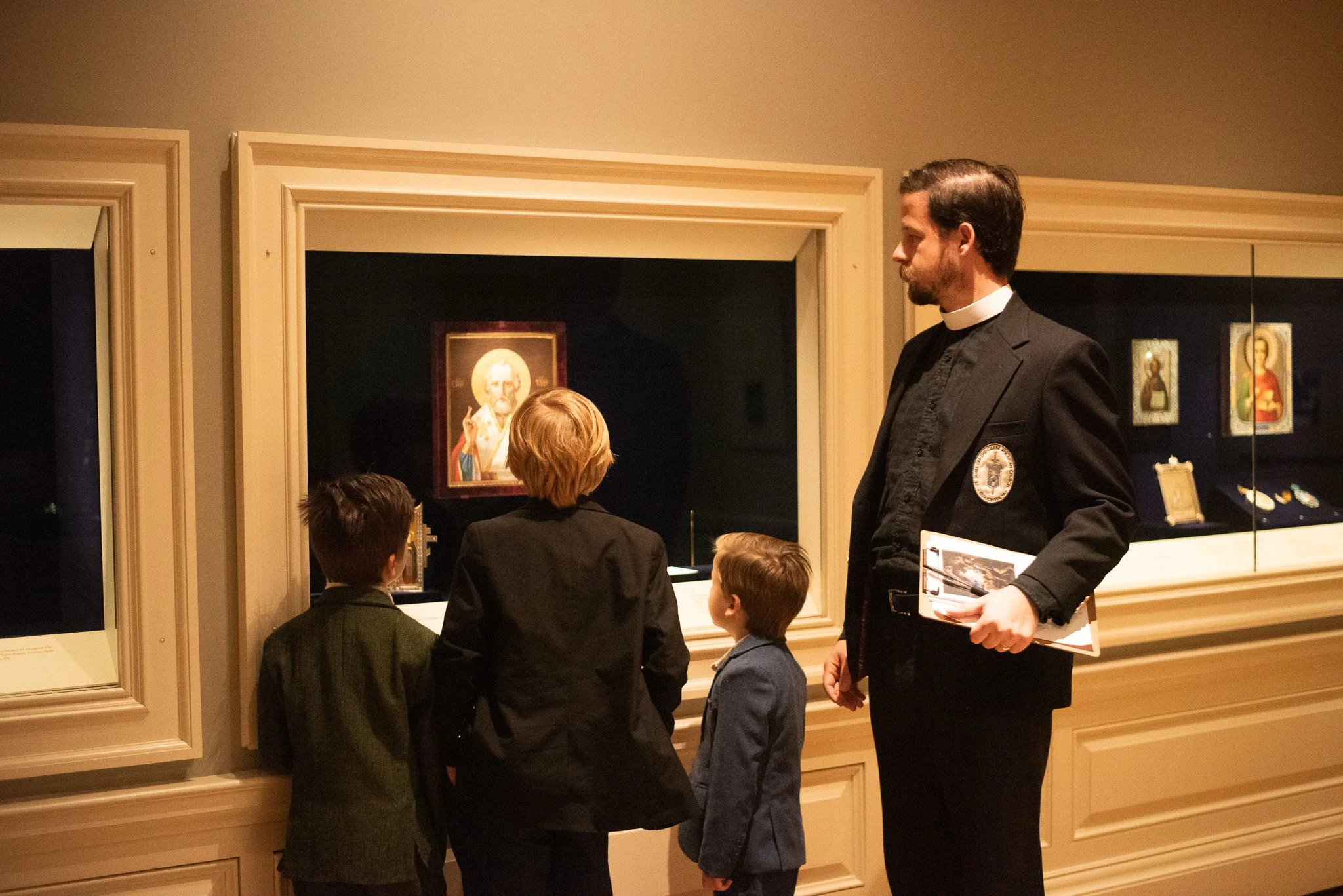
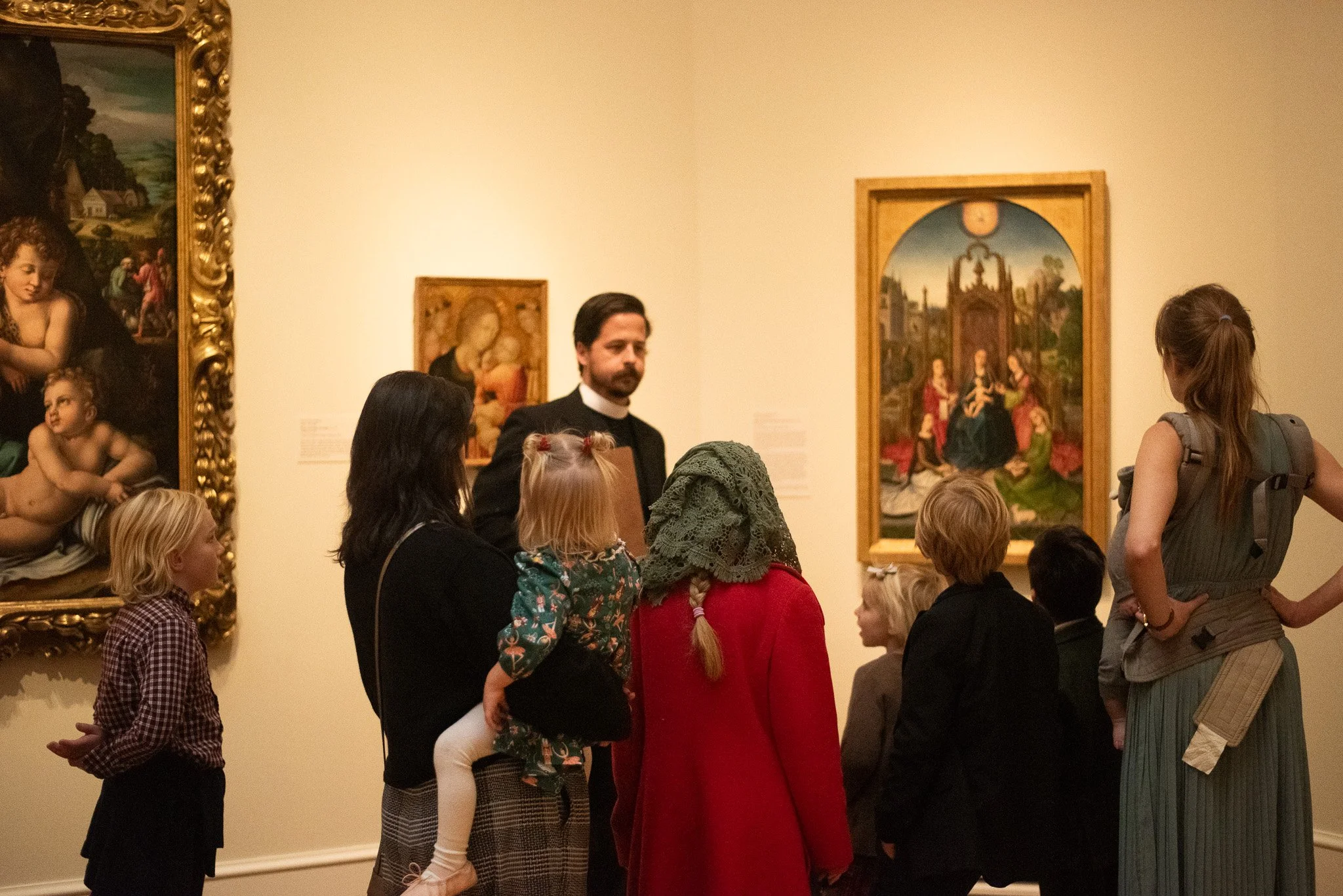
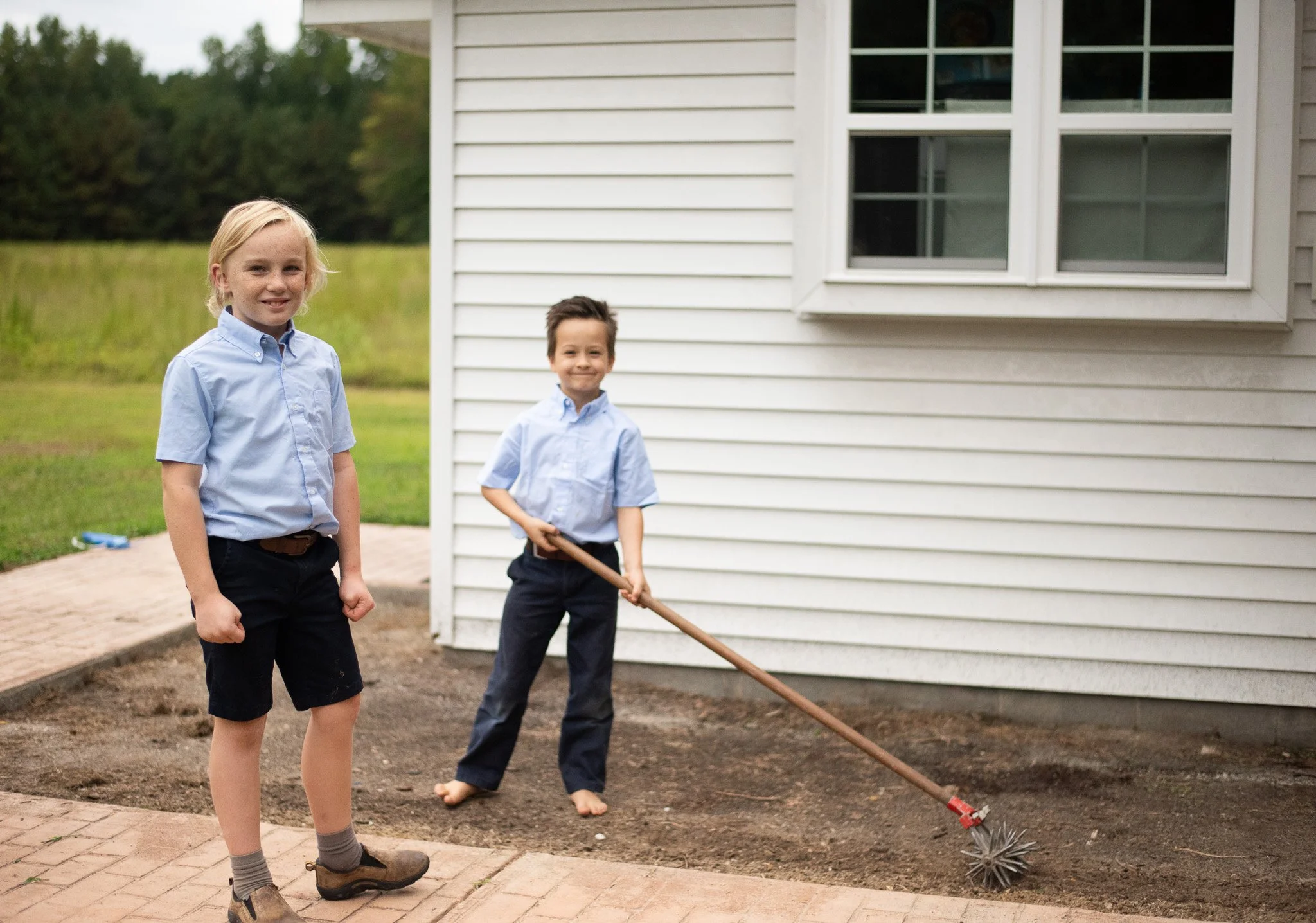
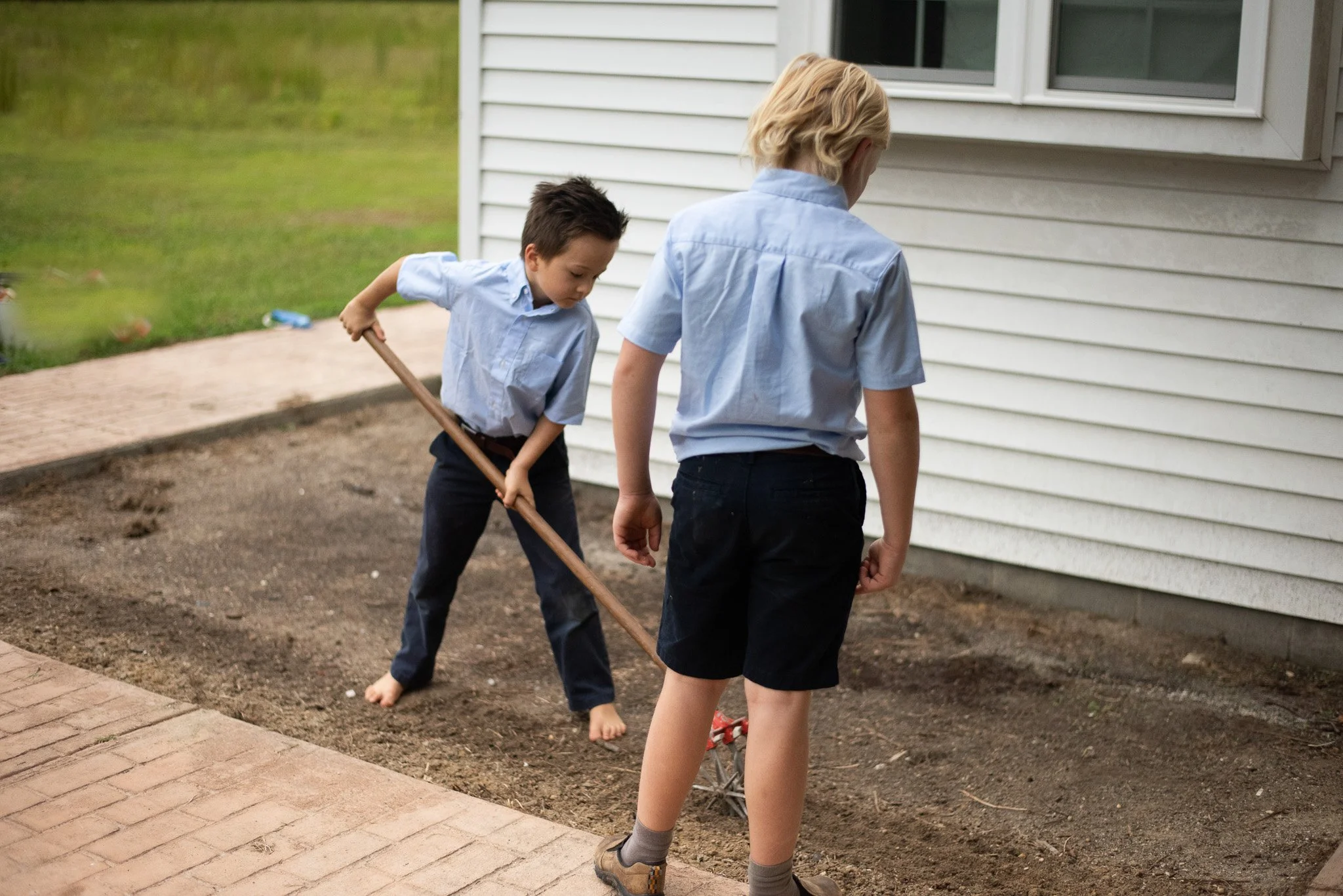
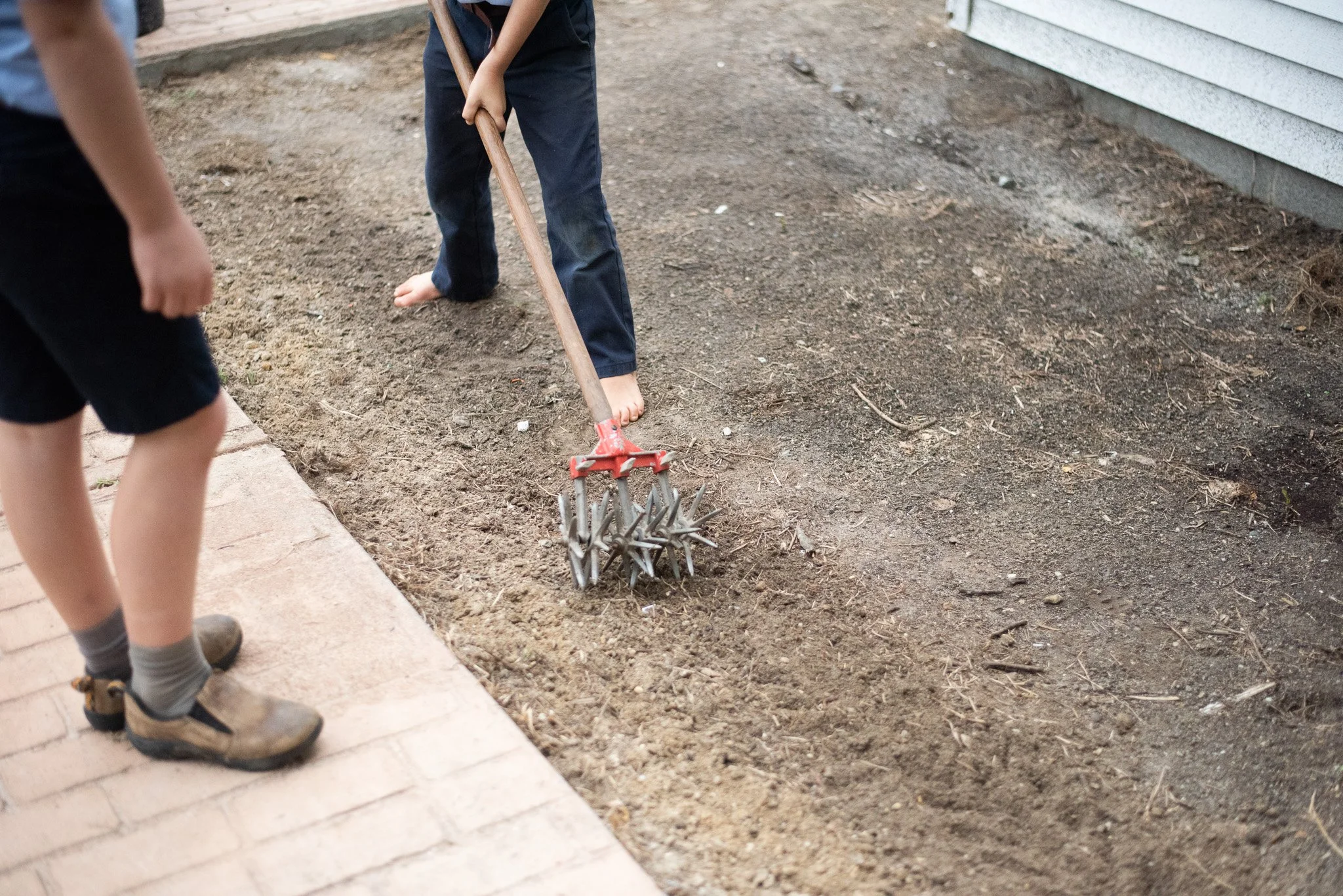
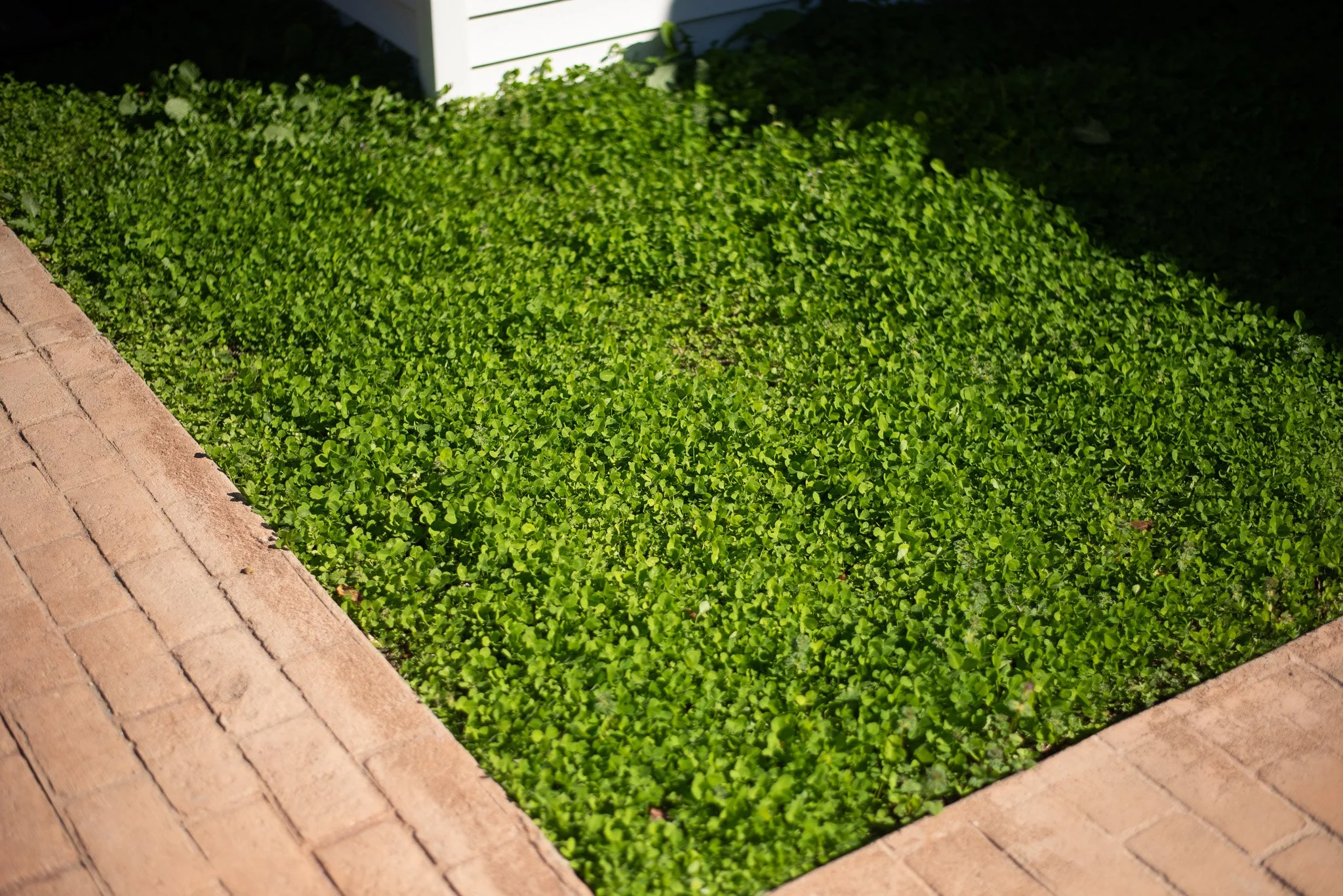
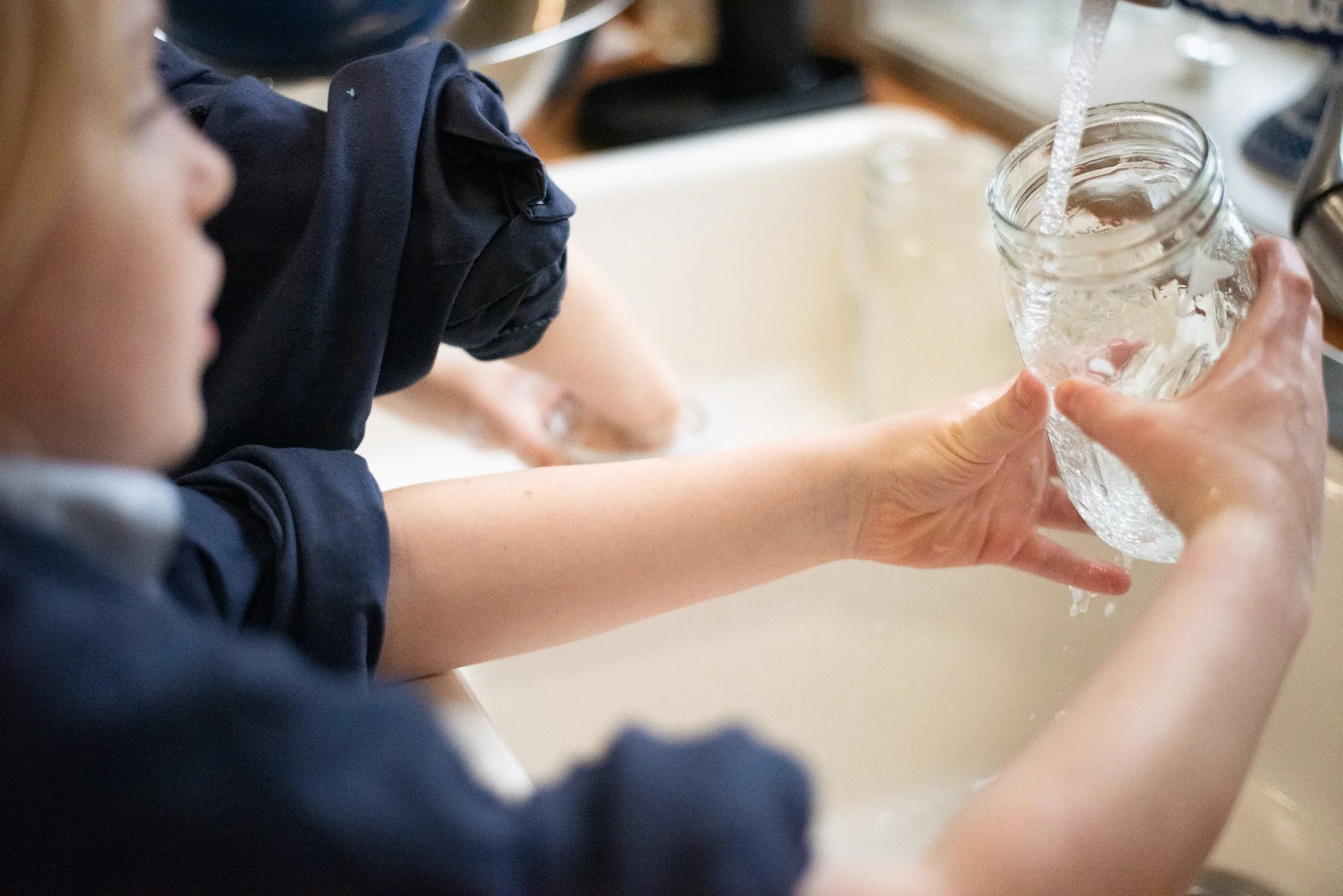
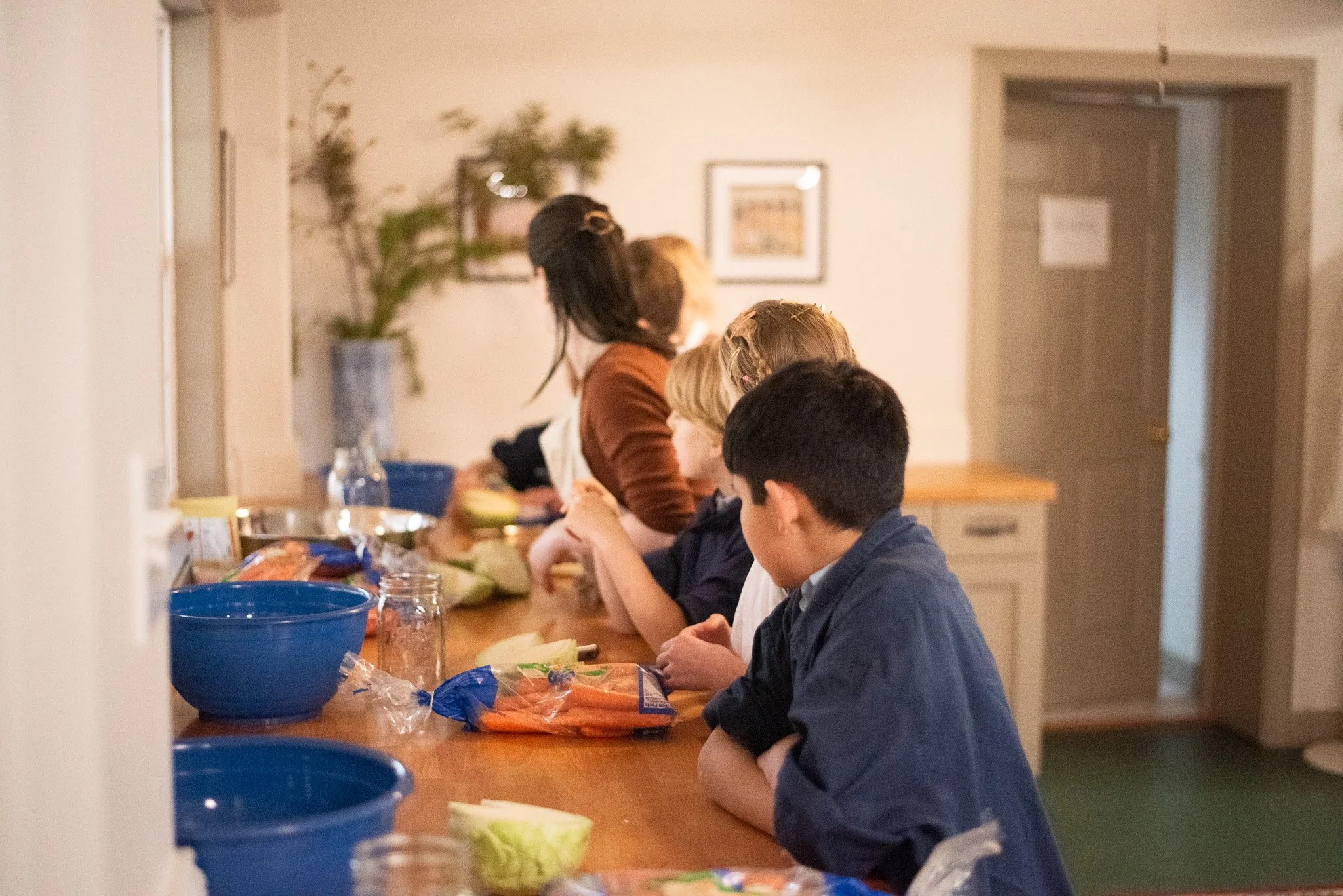
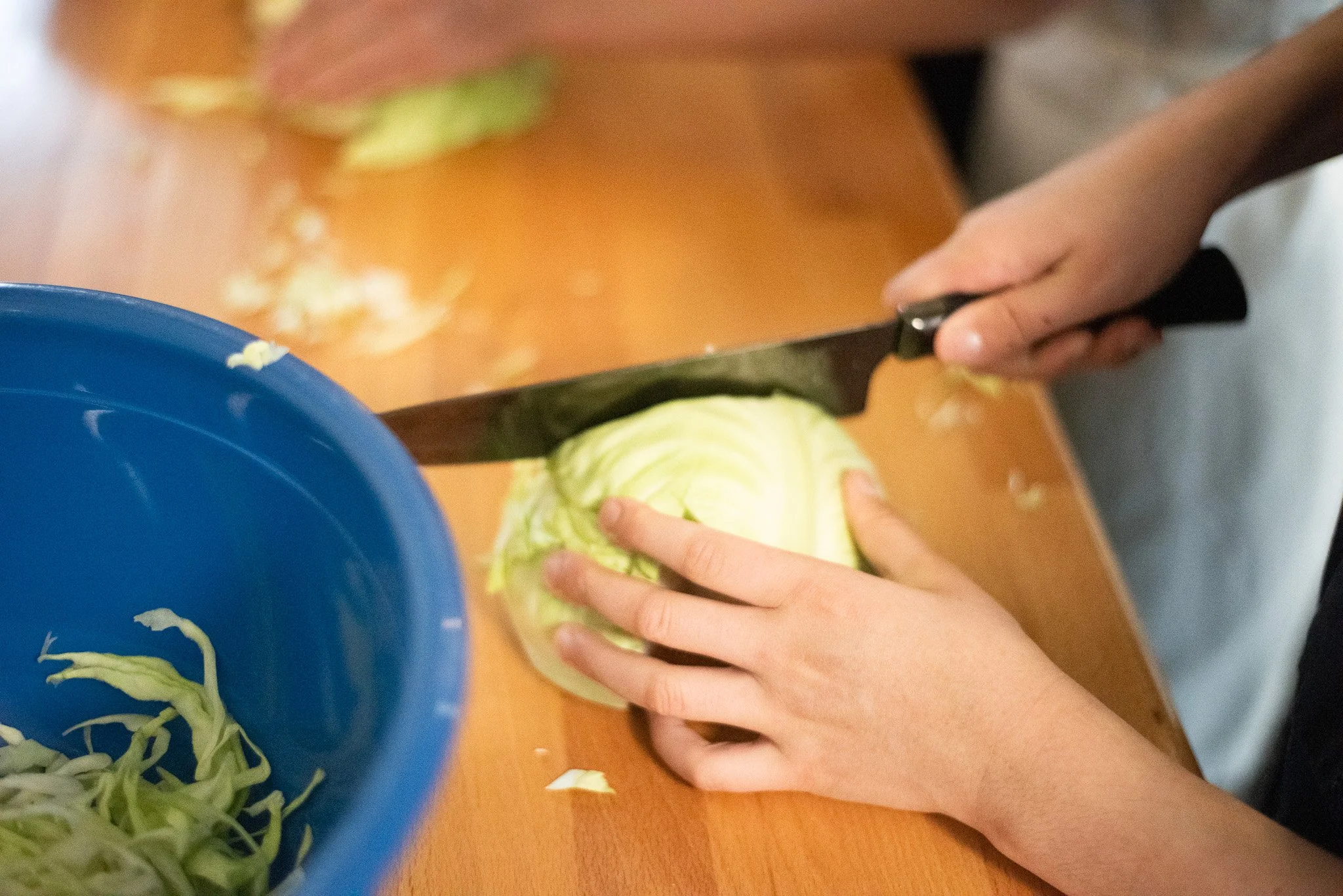
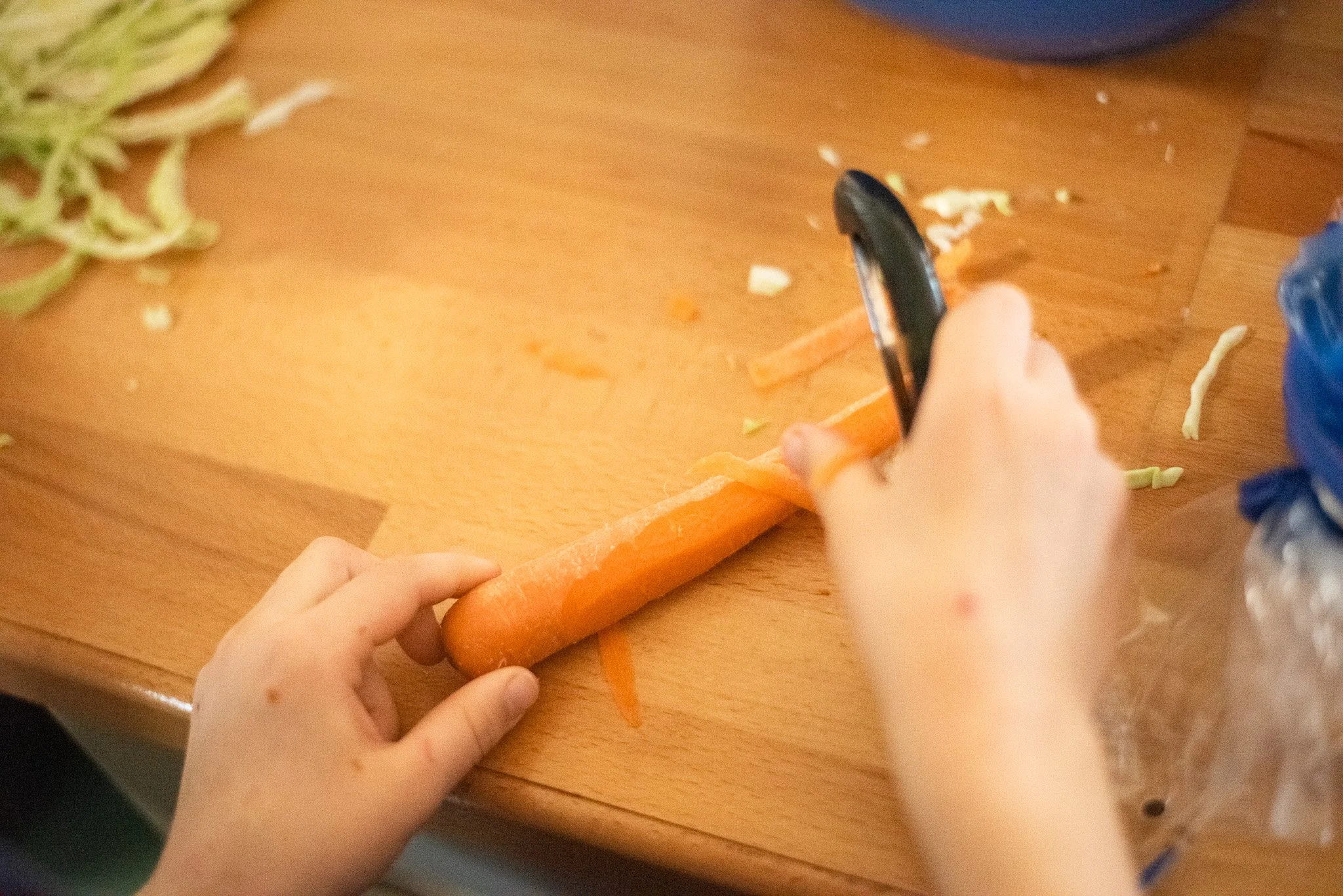
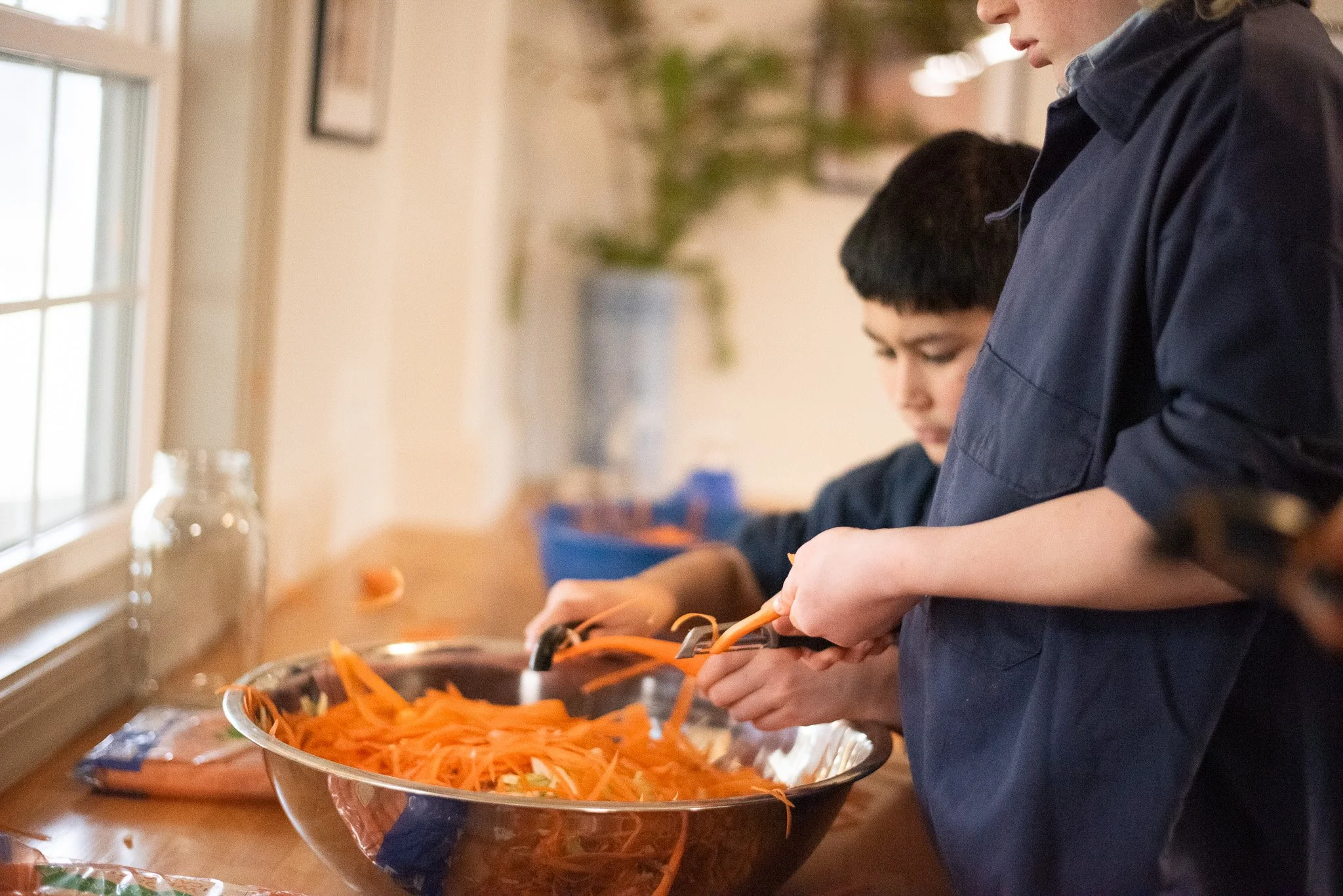
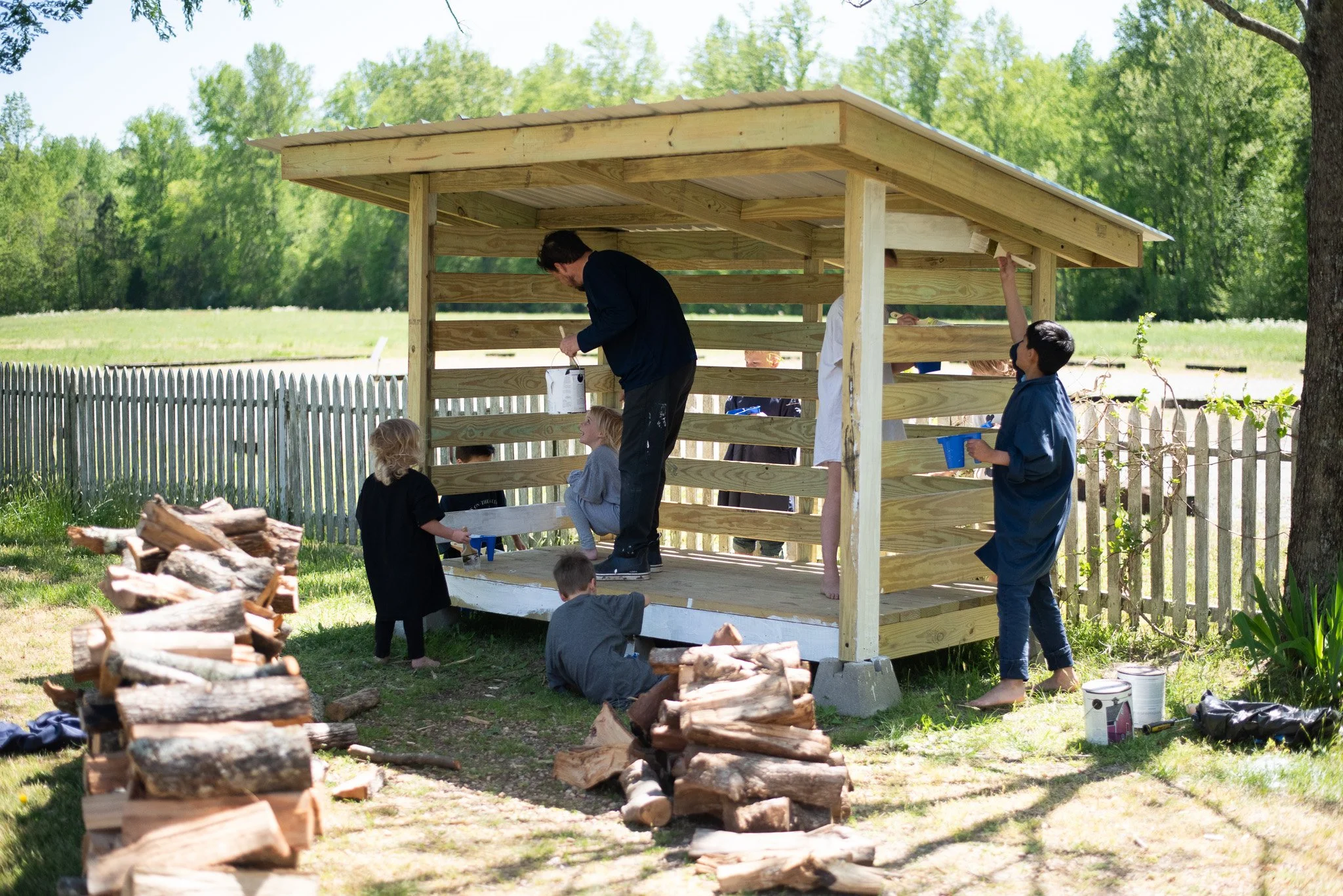
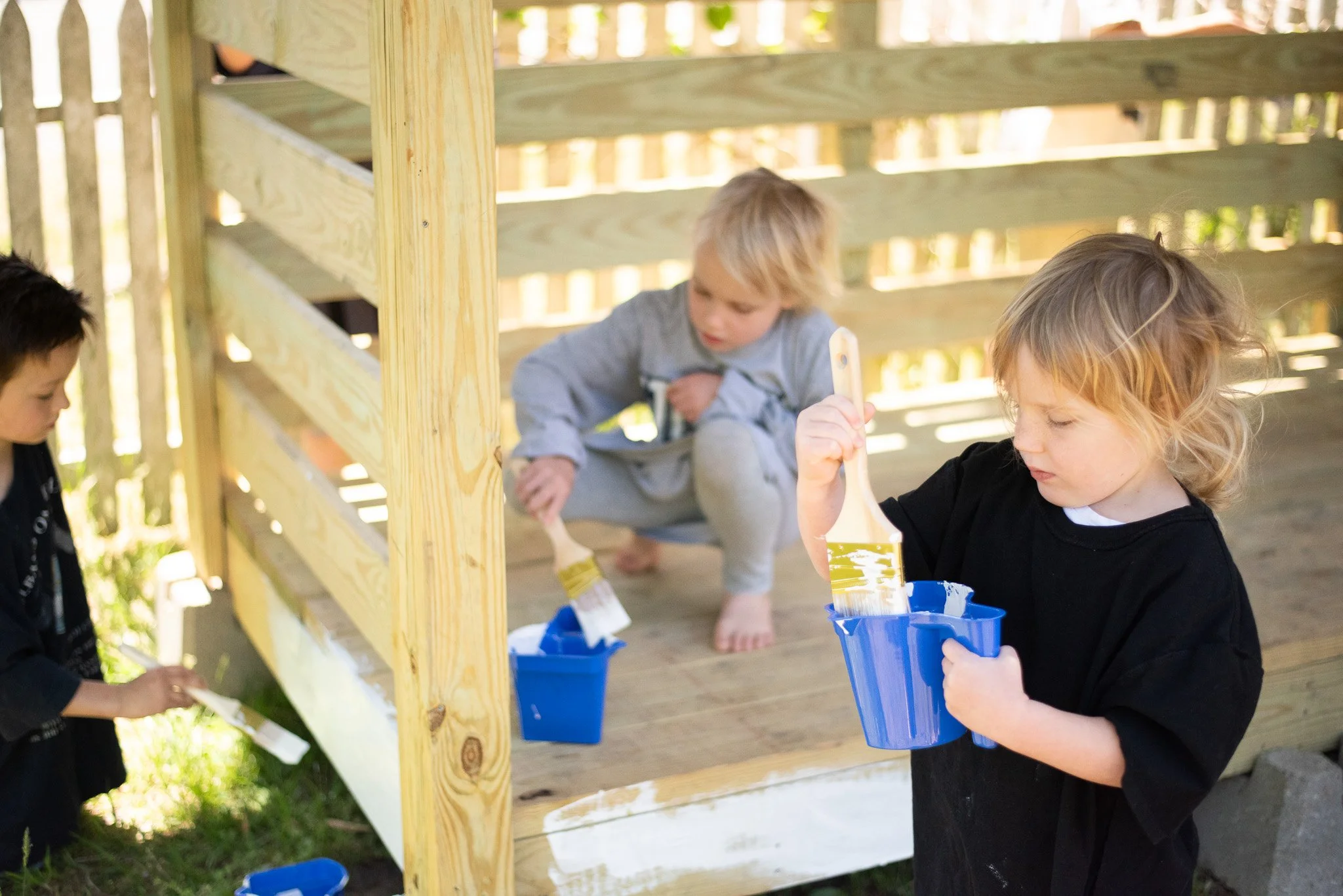
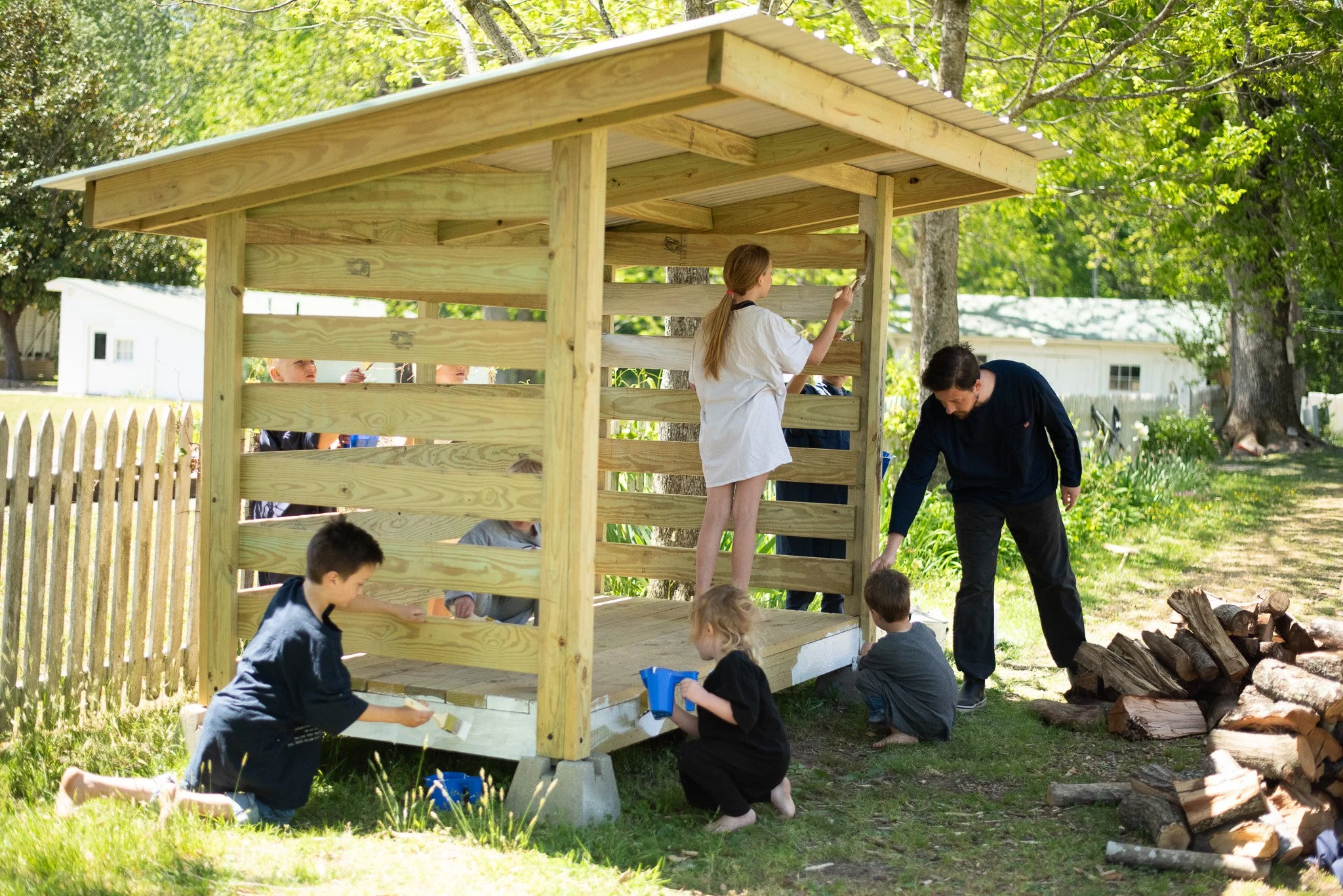
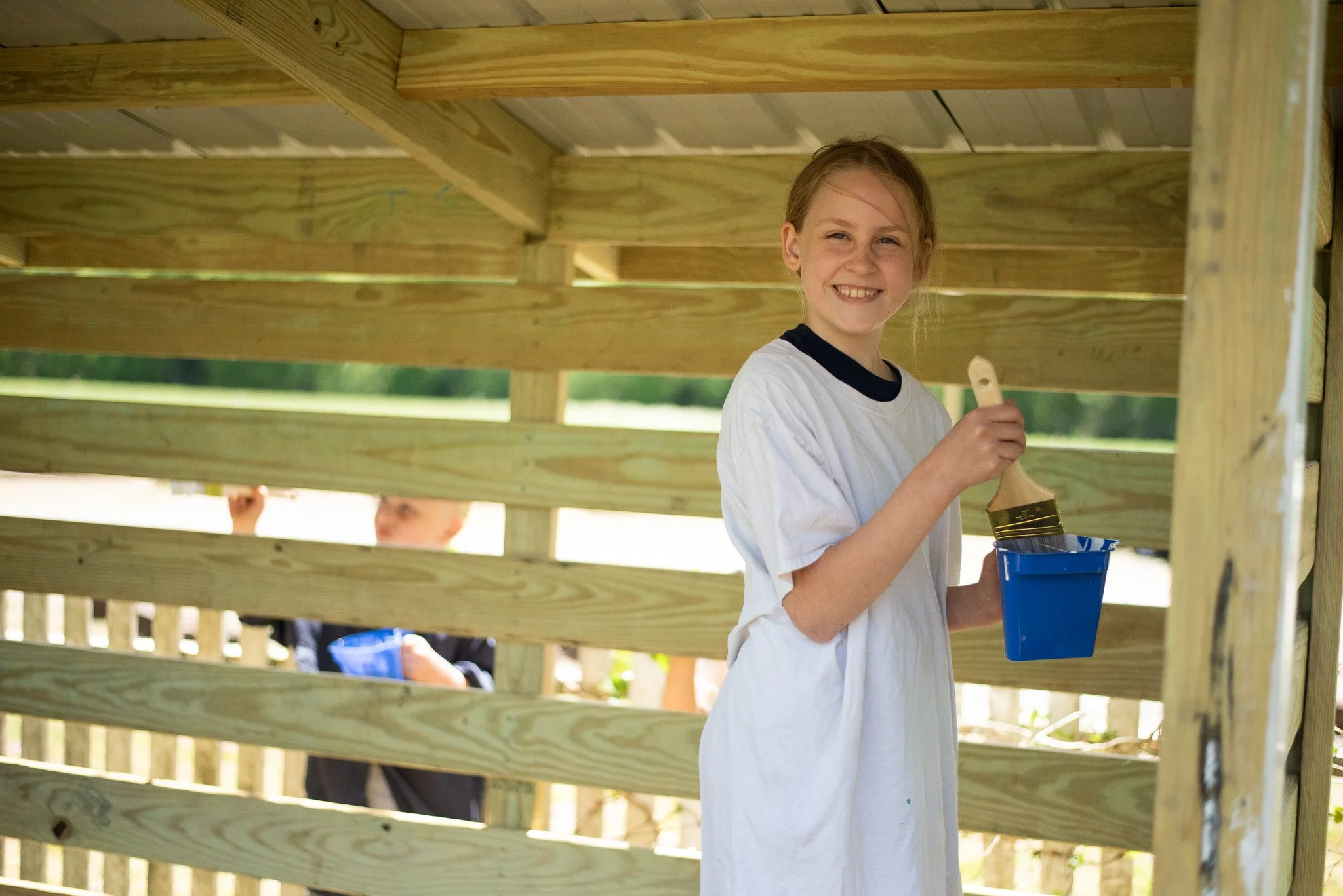
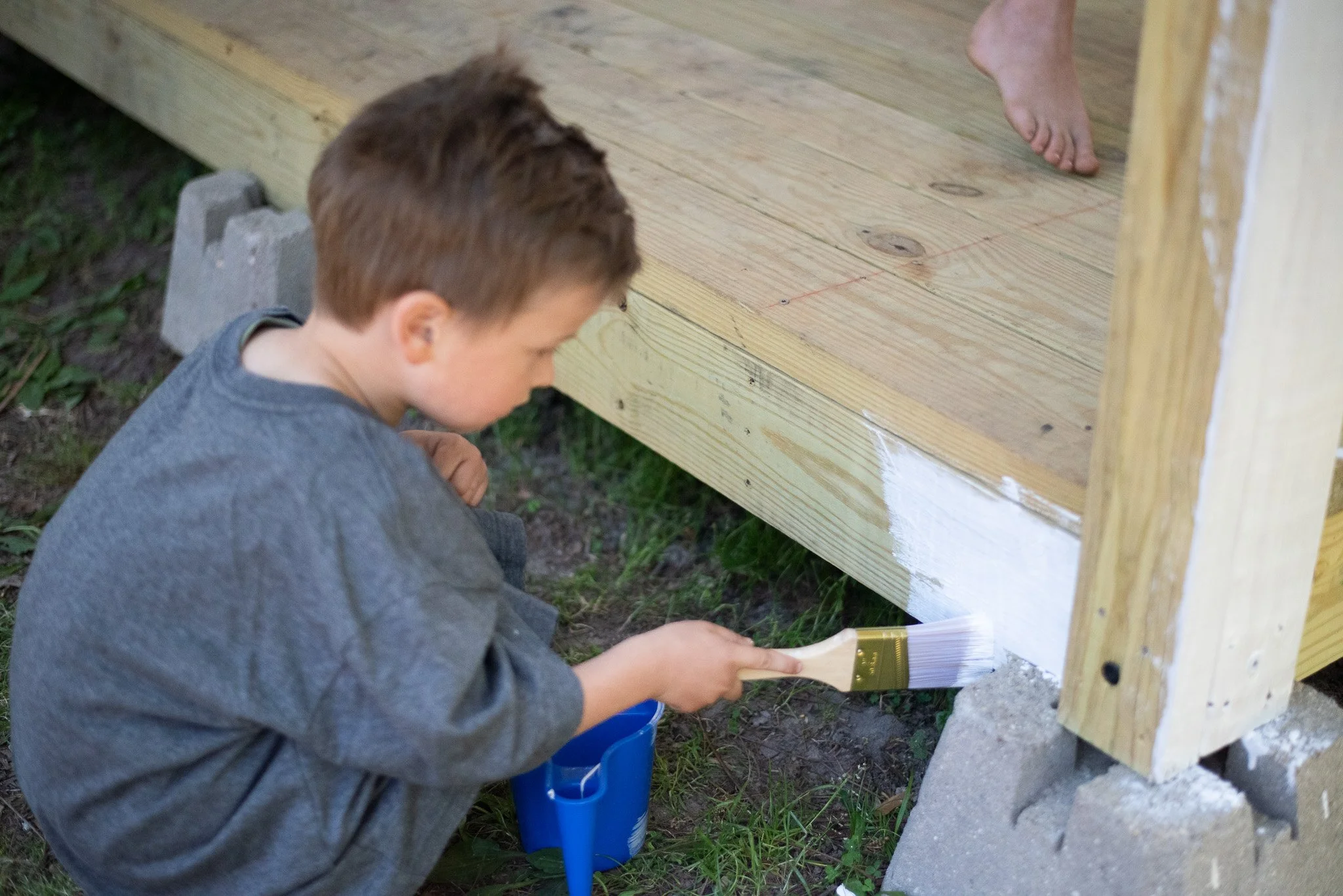
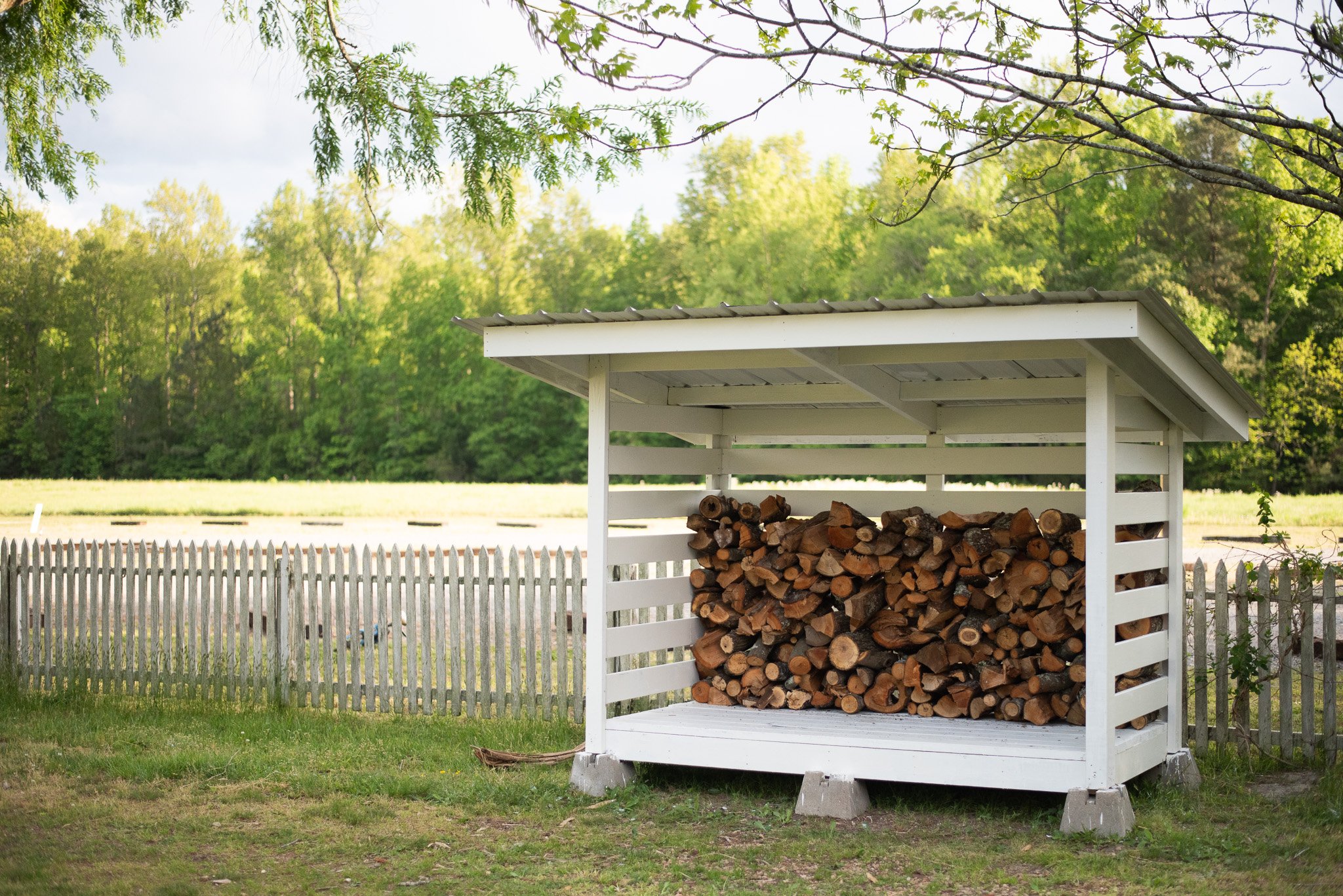
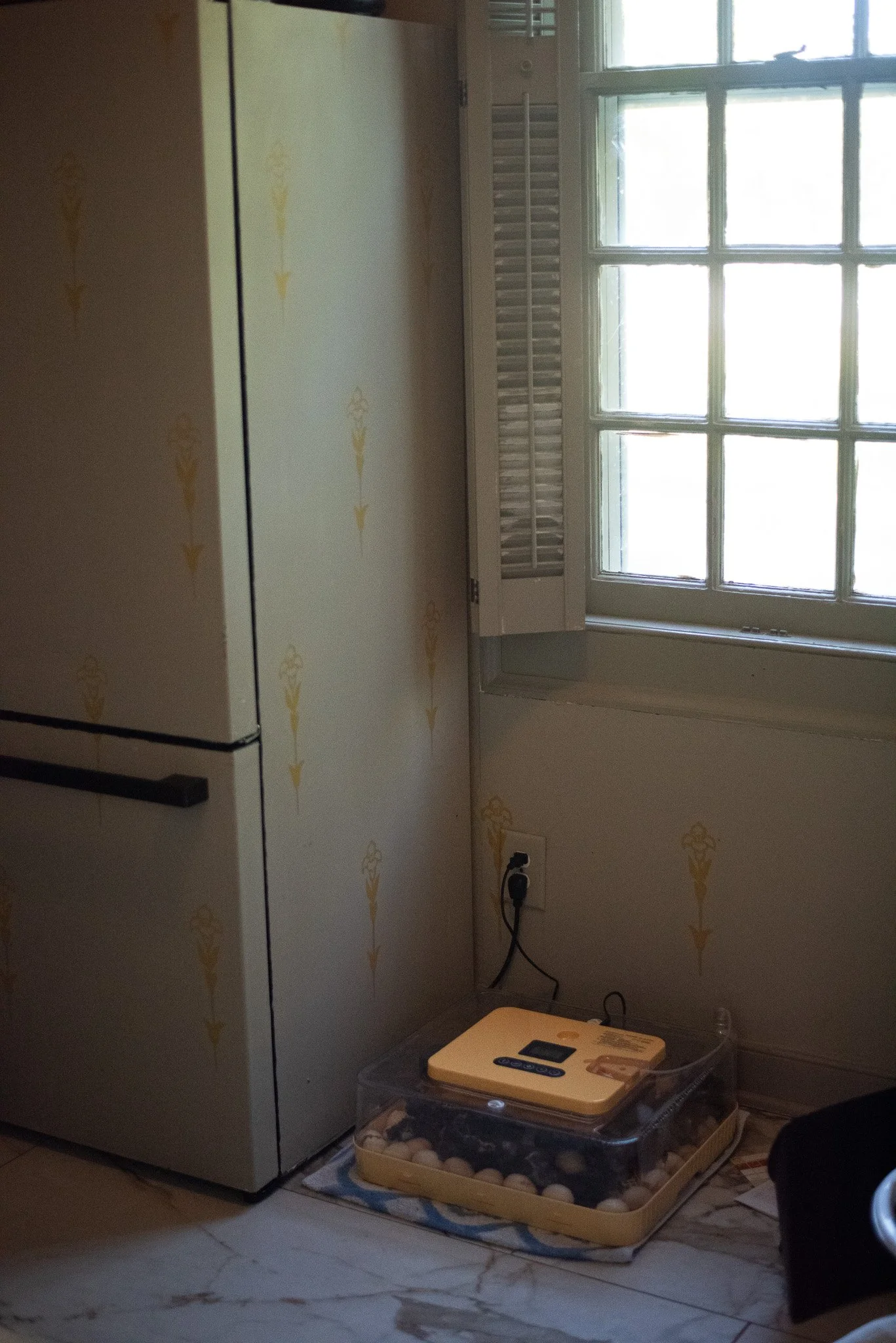
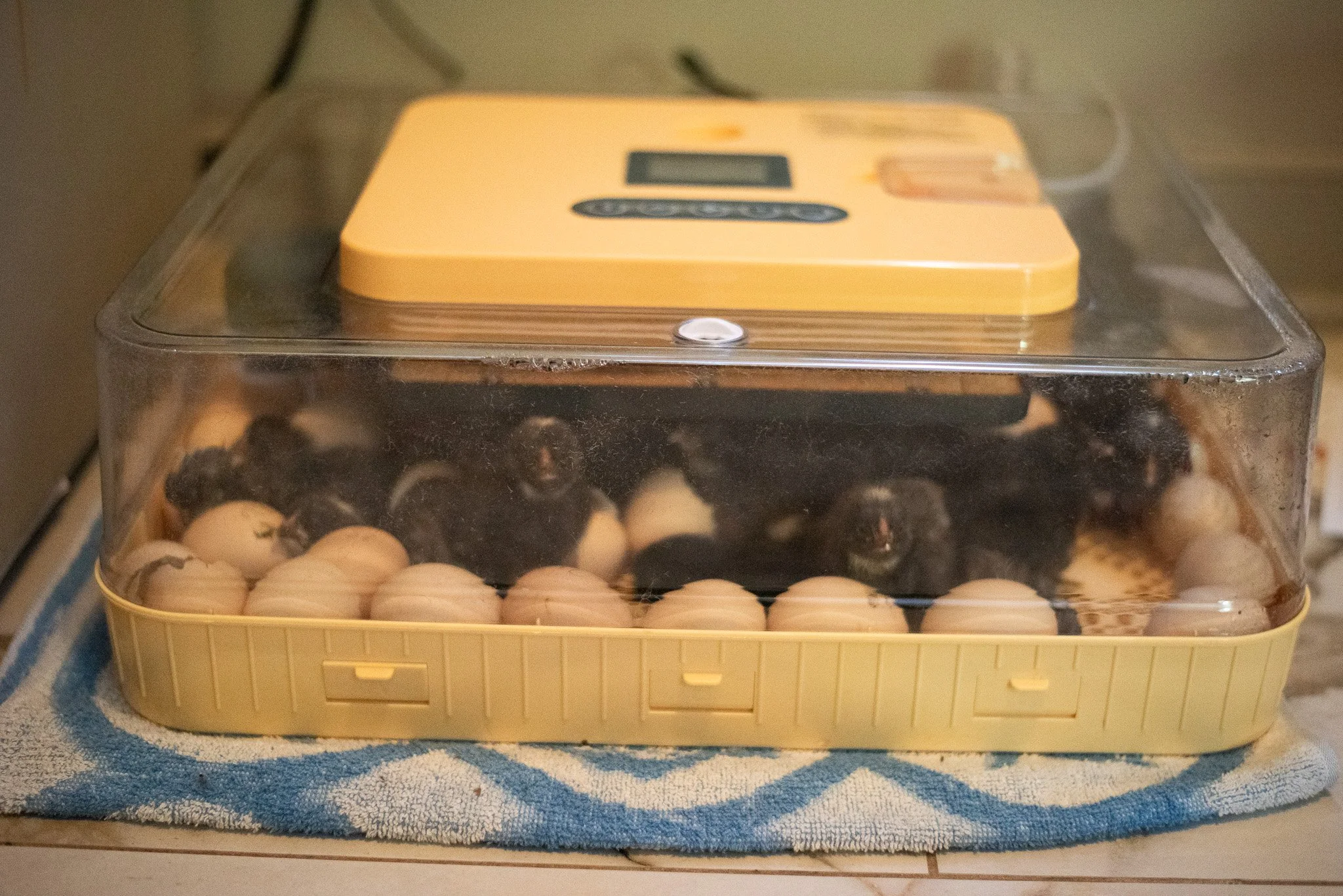
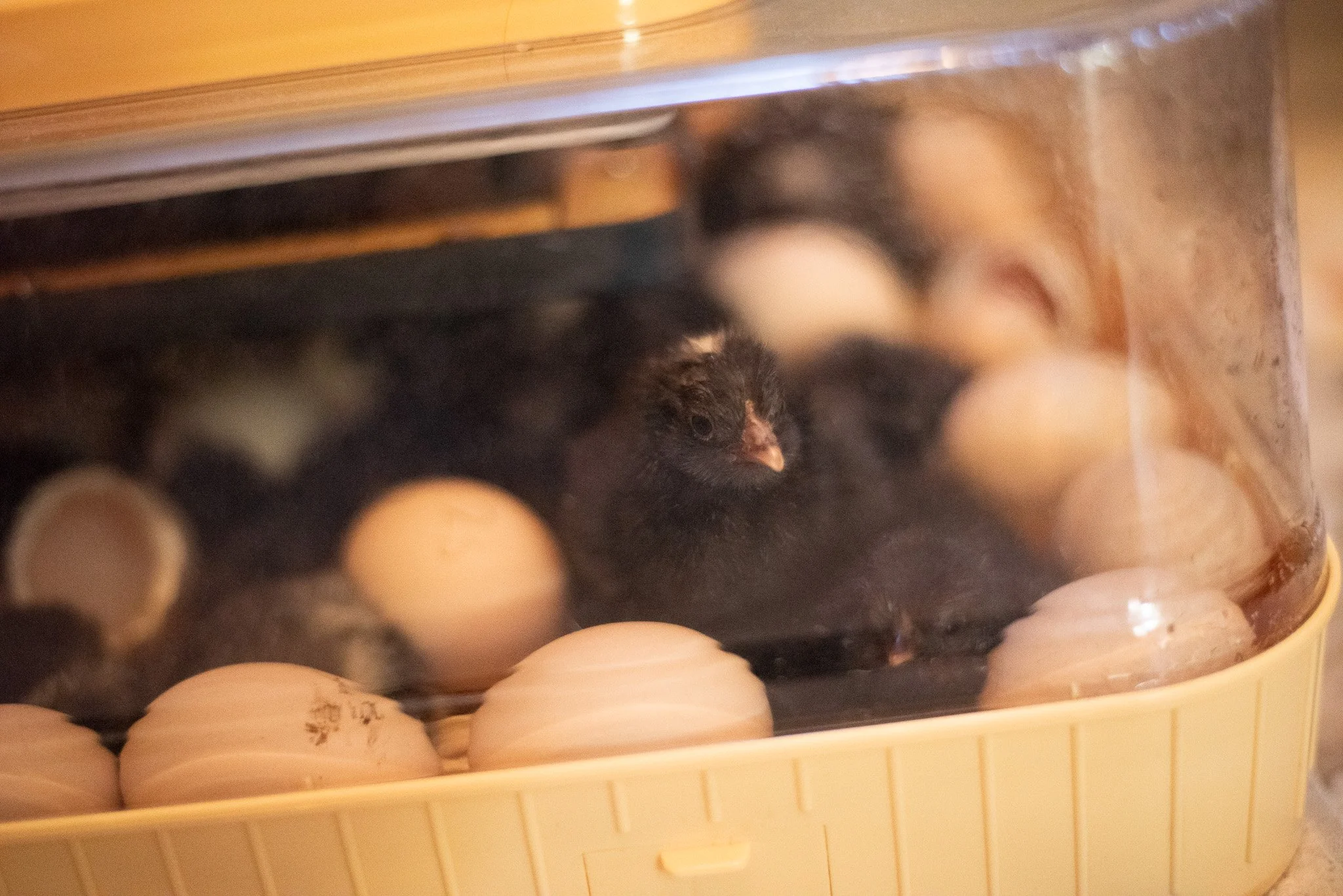
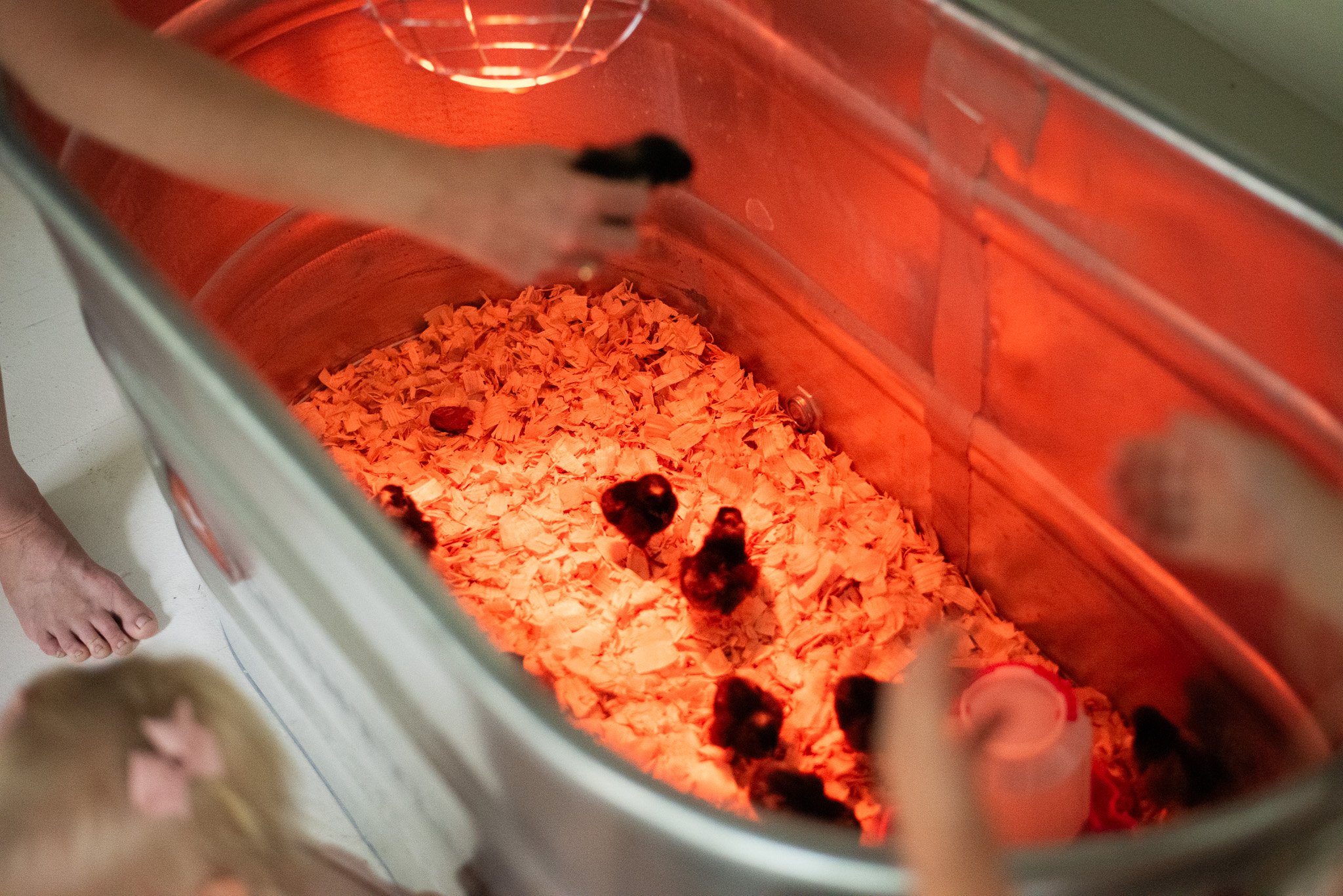
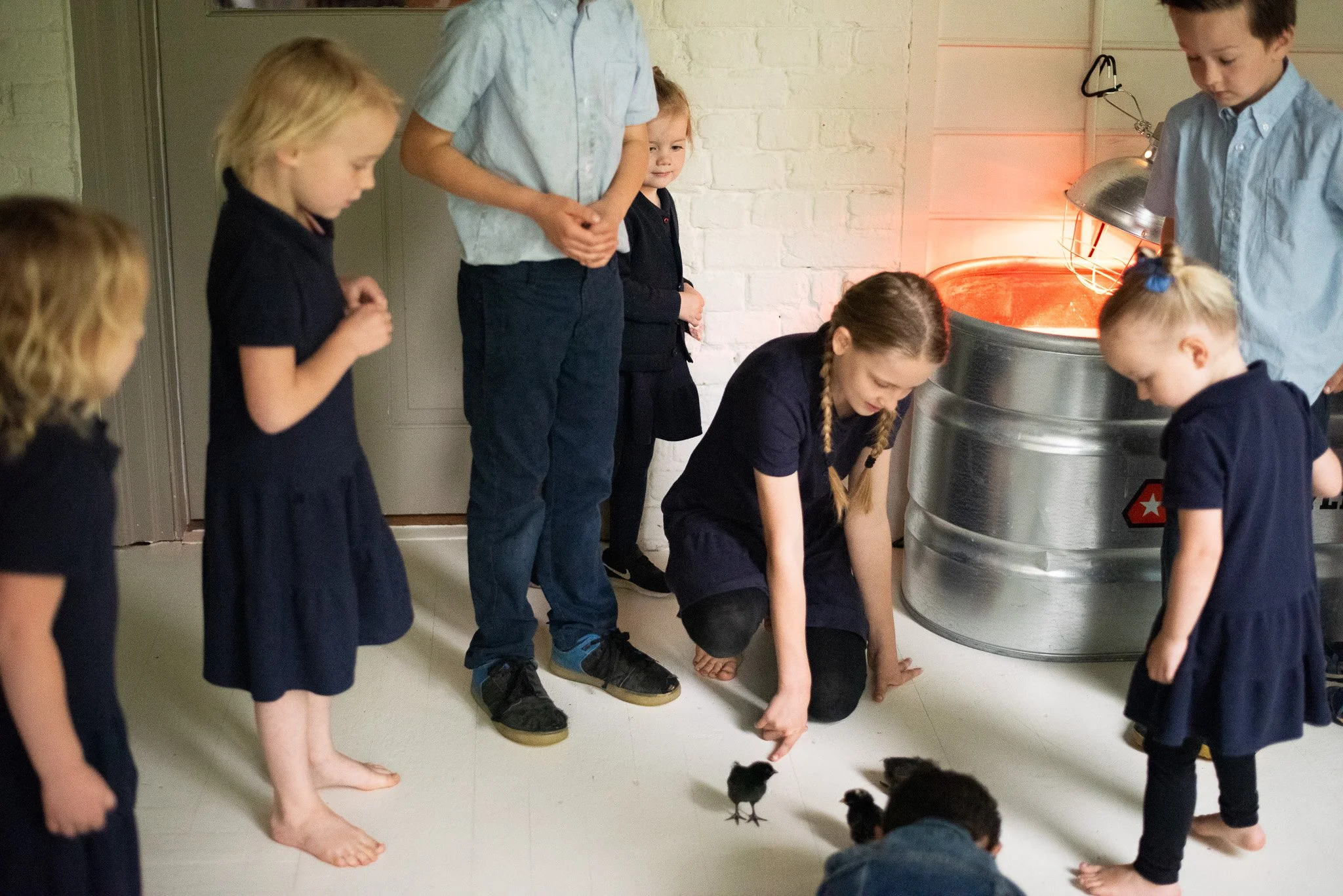
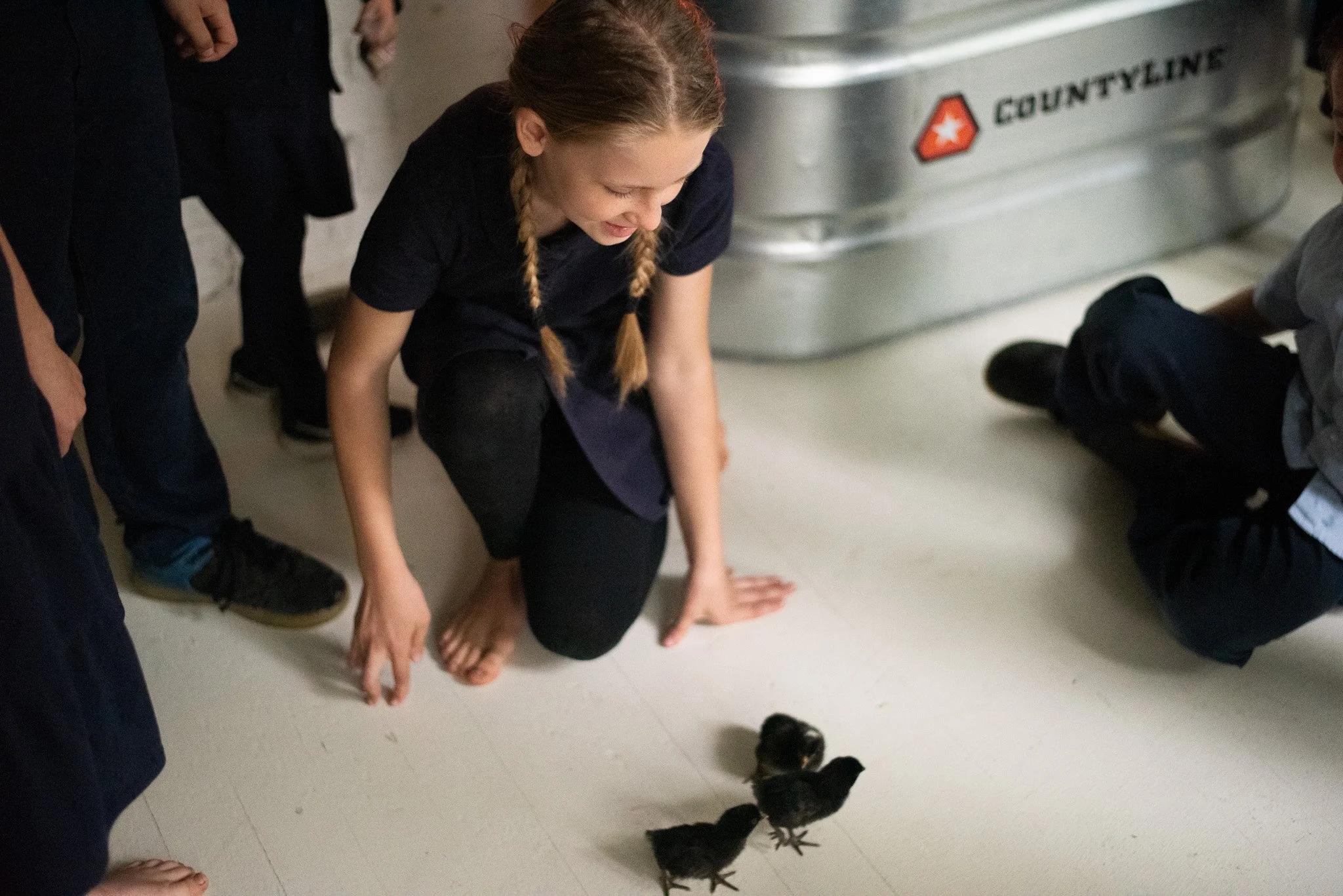
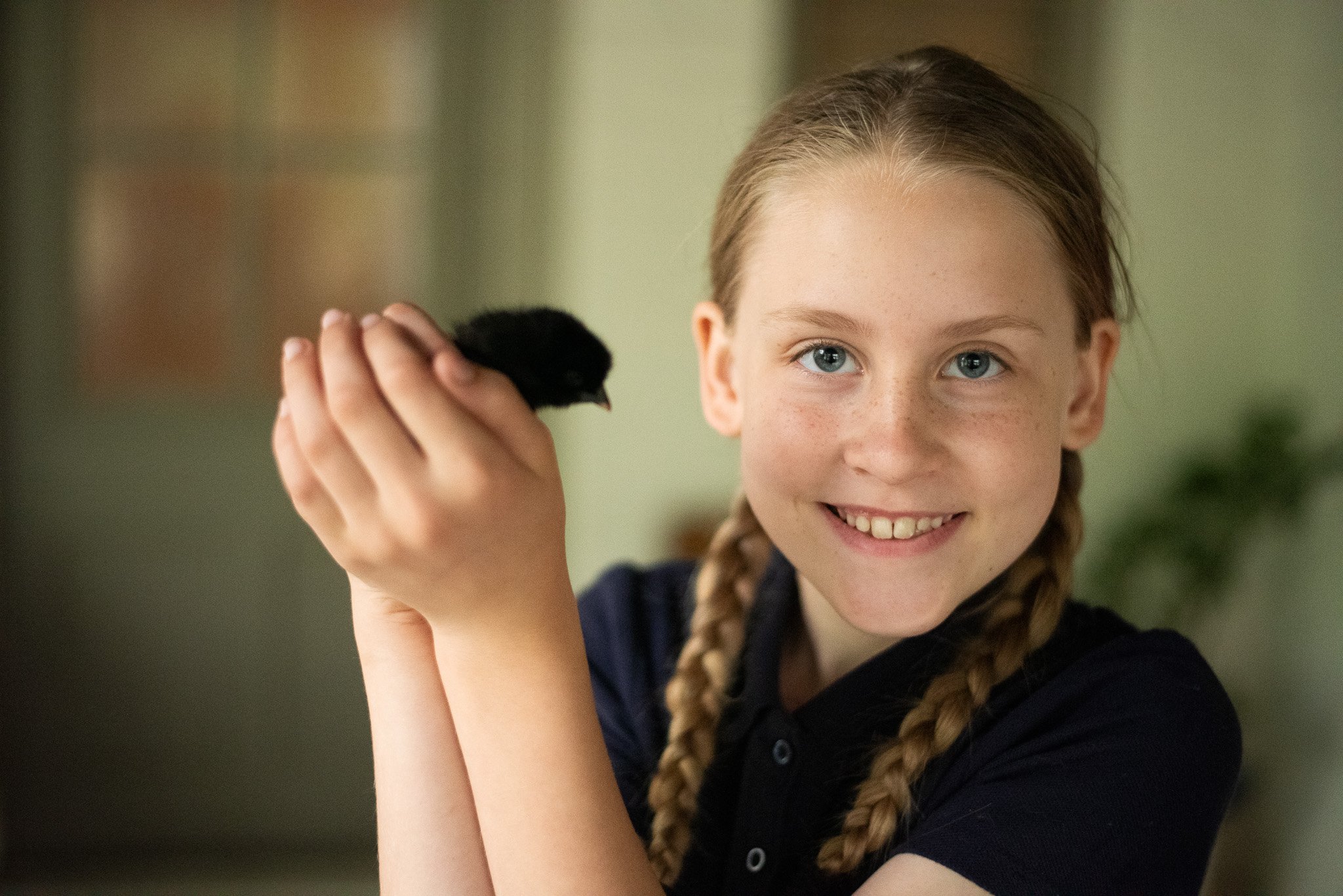
Pictured above: The Glebe School students harvesting and preserving pecans from the Glebe’s 100 year old pecan trees, visiting the Virginia Museum of Fine Arts in Richmond, testing the Glebe soil for nutrients, tilling, and planting a nitrogen rich cover crop, studying lacto-fermentation by making traditional sauerkraut, painting the Glebehouse woodshed, & caring for newly-hatched heritage breed chickens.